As NFTs gain popularity and increasing in popularity, the NFT market has reached the level that was $24.9 billion, as per the data provided by DappRadar. As NFTs drive transformations across a variety of industries, the market for events is the first to use NFTs to link both physical and electronic ticketing.Before the introduction of digital ticketing, individuals were collecting tickets from the past. Every ticket had a unique design, bringing back memories, be it an opera performance in Vienna or an event at the World Cup in England, or music festivals in California. With the advent of digitization, we have simplified tickets, technology for ticketing has made it more efficient and trustworthy for all. But, using a basic QR code with no story that explains it is dull. Digital tickets are not something that people would like to keep, and to look back on.
The ticketing system currently does not allow people to reflect on memorable moments from previous occasions. Thus, NFTs have come in with the aim of making ticketing more useful and easier to store to keep as memories.
A ticket printed on paper could be lost, damaged because of water, or damaged. In addition, organizers do not receive enough security from tickets made of paper. They can easily be counterfeited. QR codes can solve this issue for organizers, but are not as effective for the guests buying tickets.
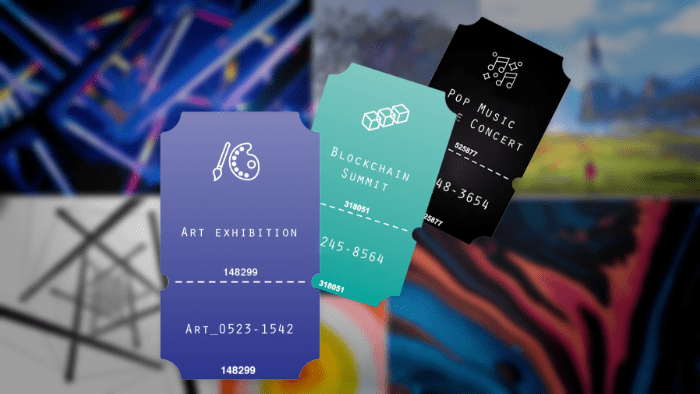
What are the issues that the traditional ticketing system faces?
Tickets with black marketing
Fraud has been a major issue in the ticketing industry and has forced customers to pay more for tickets and posing security risks for the event’s organizers. By utilizing technology in a way that isn’t ticketing bots create chaos, and allow those online to buy tickets in bulk and then sell tickets to secondary markets for very high prices.
Lack of exchange protocol
It is difficult to trace the customers’ movements or exchange information outside the limits of a supplier as the absence of an exchange protocols allows fraud on markets that sell on the second. If a ticket sells in the secondary market it is no longer the ownership of the buyer with the details that the organizer have. Thus, the event’s organizers don’t know who attends their event. Since tickets are issued in a manner that doesn’t allow exchanges in the secondary market, there is no way to alter the ticket holders name, nor to determine how often the tickets are exchanged.
Customer Trust
One of the main questions for visitors is whether they’ve purchased a genuine ticket or fake. Sometimes, guests purchase fake tickets from websites that pose as legitimate ticketing agencies and can cause financial loss and dissatisfaction.
Read More: https://www.leewayhertz.com/how-nft-ticketing-works/

 Development Services