In an era where technology reigns supreme, Artificial Intelligence (AI) is the driving force behind transformative changes across various industries. From data analytics and customer support to procurement, HR, security, sentiment analysis, anomaly detection, and trade promotion, AI is reshaping how businesses operate. In this series, we explore the profound impact of AI in each of these domains, unveiling how it streamlines processes, enhances decision-making, improves customer experiences, and leads us towards a data-driven future.
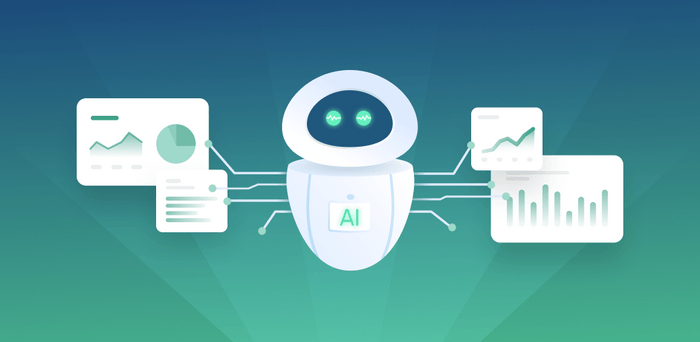
Unlocking Insights: The Role of AI in Data Analytics
In today’s fast-paced, data-driven world, businesses across industries are constantly seeking new ways to harness the power of data. This quest has given rise to the integration of Artificial Intelligence (AI) in data analytics, revolutionizing the way organizations extract insights from their data and make informed decisions.
Introduction: The Marriage of AI and Data Analytics
Data analytics has long been a crucial tool for organizations to gain insights into their operations, customer behaviors, and market trends. However, as data volumes continue to soar, traditional analytics methods have started to show their limitations. This is where AI steps in, offering the promise of unlocking deeper insights, predicting future trends, and optimizing decision-making processes.
The Evolution of Data Analytics with AI
Traditional data analytics primarily relies on historical data and predefined rules to derive insights. In contrast, AI-powered data analytics leverages advanced machine learning algorithms to discover patterns, anomalies, and correlations that may be hidden to human analysts. This evolution has paved the way for predictive and prescriptive analytics, allowing businesses to anticipate future outcomes and take proactive measures.
Real-World Examples of AI-Driven Data Analytics
AI-driven data analytics is making a substantial impact across various industries. For instance, in healthcare, AI algorithms analyze patient data to assist in disease diagnosis and treatment recommendations. Financial institutions use AI to detect fraudulent transactions in real-time, saving billions of dollars annually. Retailers employ AI to optimize pricing strategies and predict customer demand, leading to increased revenue.
The Impact of AI in Making Data-Driven Decisions
One of the most significant benefits of AI in data analytics is its ability to enhance decision-making processes. AI algorithms process vast amounts of data quickly, providing actionable insights in near real-time. This empowers businesses to make informed decisions that drive efficiency, reduce costs, and improve customer experiences.
The Future of Data Analytics with AI
As AI continues to advance, the future of data analytics looks promising. Expectations include AI systems that can explain their reasoning, improved automation of data preparation, and more accessible AI tools for non-technical users. The key to success will be striking a balance between human expertise and AI capabilities.
Revolutionizing Customer Support with AI
Customer support is a critical aspect of any business, and it has traditionally relied on human agents to address customer inquiries and issues. However, the advent of Artificial Intelligence (AI) is revolutionizing the customer support landscape, offering new ways to enhance efficiency, reduce response times, and provide personalized experiences.
The Changing Face of Customer Support
Customer support is undergoing a significant transformation, driven by advances in AI technologies. Traditional support methods often involve long wait times and scripted responses, leading to frustration among customers. AI-powered solutions aim to address these pain points and deliver a more efficient and customer-centric support experience.
How AI-Powered Chatbots are Transforming Customer Support
Chatbots, powered by AI, have become a staple in the world of customer support. These virtual agents can handle a wide range of customer inquiries 24/7, ensuring that support is available whenever customers need it. Chatbots use natural language processing (NLP) to understand and respond to customer queries, making interactions feel more human-like.
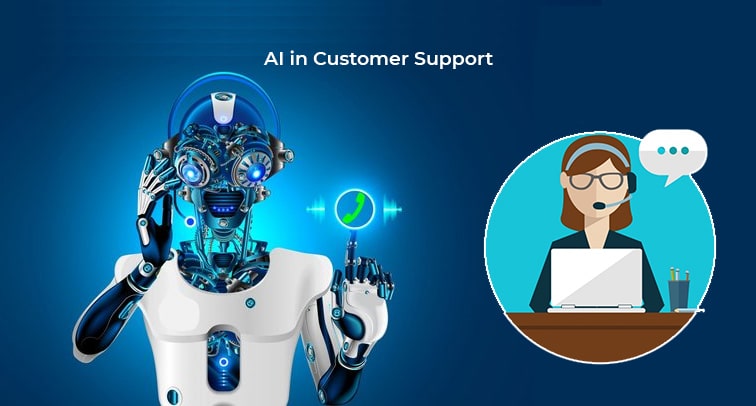
Case Studies Showcasing AI-Driven Customer Support Solutions
Numerous companies have embraced AI-driven customer support with impressive results. For example, a leading e-commerce platform implemented a chatbot that reduced response times by 50%, leading to a 30% increase in customer satisfaction. Another company in the telecommunications sector saw a 40% reduction in support costs after adopting AI-powered chatbots.
Benefits of AI for Providing Personalized Customer Experiences
AI not only streamlines support processes but also enables personalization at scale. By analyzing customer data, AI systems can provide tailored recommendations and solutions. This personal touch enhances customer loyalty and drives higher conversion rates, as customers feel understood and valued by the brand.
The Future of AI in Customer Support and Its Potential
The future of AI in customer support holds even more promise. AI-driven support will likely involve more sophisticated chatbots capable of handling complex inquiries and emotional cues. Additionally, AI will play a significant role in predictive customer support, anticipating issues before they arise and proactively addressing them.
Efficiency Unleashed: AI in Procurement
Procurement is a fundamental function for organizations across industries, responsible for sourcing goods and services essential for operations. The integration of Artificial Intelligence (AI) in procurement processes is revolutionizing the way businesses manage their supply chains, leading to cost savings, increased efficiency, and improved decision-making.
The Significance of Procurement
Procurement is the backbone of many businesses, ensuring that the right resources are acquired at the right time and cost. Traditionally, procurement involved manual processes, but the advent of AI is transforming this function into a strategic powerhouse.

How AI Streamlines Procurement Processes
AI brings automation and intelligence to procurement, making processes faster and more accurate. Machine learning algorithms can analyze historical data to predict demand, optimize inventory levels, and even negotiate with suppliers to secure the best deals. These capabilities reduce human errors and enhance efficiency.
Case Studies Highlighting AI’s Impact on Cost Savings and Supply Chain Optimization
Leading companies are already reaping the benefits of AI in procurement. A global manufacturing firm implemented AI-driven demand forecasting, resulting in a 15% reduction in excess inventory and a 10% decrease in stockouts. In the logistics sector, AI-driven route optimization reduced transportation costs by 20%.
The Potential of AI in Shaping the Future of Procurement
The future of procurement holds significant potential for AI. Emerging technologies like blockchain will ensure transparency and traceability in supply chains, reducing the risk of fraud and counterfeiting. Procurement professionals will increasingly rely on AI-driven insights to make strategic decisions that impact the entire organization.
Elevating HR Practices with AI
Human Resources (HR) is the heart of any organization, responsible for managing talent, fostering a positive workplace culture, and driving employee engagement. The infusion of Artificial Intelligence (AI) in HR processes is transforming the way businesses recruit, develop, and retain their workforce, ultimately leading to more effective and data-driven HR practices.
The Changing Landscape of HR
HR has evolved from a primarily administrative function to a strategic partner for organizations. In this transformation, AI plays a pivotal role by automating routine tasks, providing data-driven insights, and enhancing the overall HR experience for both employees and employers.
The Application of AI in Talent Acquisition and Recruitment
Talent acquisition is a critical function for any organization, and AI is revolutionizing the way companies identify and hire top talent. AI-driven tools can sift through resumes, conduct initial screenings, and even predict candidate success based on historical data, significantly reducing time-to-hire and improving the quality of candidates selected.
Enhancing Employee Engagement and Retention through AI
Employee engagement and retention are vital for an organization’s success. AI helps by analyzing employee sentiment, identifying factors that contribute to turnover, and suggesting interventions to improve job satisfaction. Personalized development plans driven by AI can also boost employee growth and loyalty.
Real-Life Examples of Organizations Leveraging AI for HR Benefits
Numerous organizations are witnessing the positive impact of AI in HR. A global tech company, for instance, used AI-powered surveys to uncover issues affecting employee engagement. As a result, they implemented targeted initiatives that led to a 15% increase in employee satisfaction within a year.
Future Trends in AI-Driven HR Practices
The future of HR lies in further integration with AI technologies. Chatbots will provide instant support for employee queries, AI-driven analytics will enable proactive HR decision-making, and predictive models will anticipate workforce needs, ensuring businesses can adapt to changing dynamics efficiently.
Optimizing Trade Promotion with AI
Trade promotion is a cornerstone of sales and marketing strategies for many businesses. The integration of Artificial Intelligence (AI) in trade promotion optimization is revolutionizing the way companies plan and execute promotional campaigns, leading to increased revenue, improved demand forecasting, and enhanced ROI.
The Role of Trade Promotion in Business
Trade promotion involves a range of activities aimed at boosting sales and brand visibility. However, traditional methods often suffer from inefficiencies and a lack of data-driven decision-making. AI is changing this landscape by offering tools for smarter trade promotion strategies.

The Evolving Landscape of Trade Promotion and Its Challenges
Trade promotion has historically been resource-intensive and challenging to measure. AI addresses these issues by providing data-driven insights into which promotions work and which don’t. This ensures that businesses can allocate resources effectively and maximize ROI.
Advanced AI Techniques for Trade Promotion Optimization
AI is not limited to automating repetitive tasks; it also leverages advanced techniques like machine learning to predict consumer behavior and optimize promotion strategies. Machine learning models can analyze vast datasets to identify patterns and trends, allowing companies to tailor promotions to specific customer segments.
Real-World Examples of Companies Leveraging AI in Trade Promotion
Leading companies in various industries are already reaping the benefits of AI in trade promotion. A multinational consumer goods corporation implemented AI-driven demand forecasting, leading to a 15% reduction in excess inventory and a 10% decrease in stockouts. In the retail sector, AI-powered dynamic pricing strategies increased sales by 20%.
Concluding Thoughts on the Broader Implications of AI in Trade Promotion
The future of trade promotion is closely tied to AI’s continued evolution. Businesses that embrace AI in this realm will likely see not only improved promotional outcomes but also a competitive edge in the market. As AI technologies continue to advance, trade promotion will become more dynamic, data-driven, and responsive to customer needs.
Anomaly Detection: How AI Is Transforming Security and Risk Management
In today’s digital age, organizations face a growing challenge in safeguarding their data and assets from various threats. The integration of Artificial Intelligence (AI) in anomaly detection is revolutionizing security and risk management practices, enabling businesses to identify and mitigate potential risks with unprecedented accuracy and speed.

The Rising Importance of Anomaly Detection
Anomaly detection is a critical component of modern security and risk management. Traditional methods often struggle to keep pace with evolving threats. AI-powered anomaly detection systems, on the other hand, can analyze vast amounts of data in real-time, making them indispensable in today’s threat landscape.
How AI-Powered Anomaly Detection Works
AI-driven anomaly detection relies on advanced machine learning algorithms to establish normal behavior patterns within a system. Any deviations from these established norms are flagged as anomalies, signaling potential security breaches or operational issues. This proactive approach allows organizations to respond swiftly to emerging threats.
Real-World Examples of AI’s Role in Identifying Security Threats and Risks
AI-driven anomaly detection has made a significant impact across various sectors. In the financial industry, AI is used to detect fraudulent transactions by analyzing transaction patterns. In cybersecurity, AI can spot unusual network behavior indicative of a cyberattack. These applications have resulted in substantial reductions in risks and losses.
The Advantages of Using AI for Proactive Risk Mitigation
One of the primary advantages of AI in anomaly detection is its ability to provide real-time alerts and proactive risk mitigation. Organizations can respond to threats as they happen, preventing potential damage and financial losses. Additionally, AI continuously learns and adapts to new threats, staying ahead of evolving risks.
The Future of AI-Driven Anomaly Detection for Enhanced Security
As AI technologies continue to evolve, the future of anomaly detection in security and risk management holds great promise. AI systems will become more sophisticated, capable of detecting even subtle anomalies. Moreover, AI will play a crucial role in automated incident response, further bolstering organizational security.
Understanding Customer Sentiments: AI in Sentiment Analysis
In the age of social media and online reviews, understanding customer sentiments is crucial for businesses. The integration of Artificial Intelligence (AI) in sentiment analysis is changing the way companies gather and leverage customer feedback to enhance their products, services, and brand reputation.
Introduction: The Power of Customer Sentiment
Customer sentiment analysis involves the extraction of emotional cues and opinions expressed by customers. Traditionally, this was a manual and time-consuming process. However, AI has transformed sentiment analysis into a scalable and actionable tool for businesses seeking to improve their customer experiences.

How AI-Driven Sentiment Analysis Works
AI-driven sentiment analysis relies on natural language processing (NLP) and machine learning algorithms to decipher customer sentiments from text data. It categorizes text as positive, negative, or neutral and can even identify specific emotions such as joy, anger, or frustration. This automation allows businesses to process vast amounts of feedback efficiently.
Case Studies Showcasing AI-Driven Customer Sentiment Solutions
Numerous companies have embraced AI-driven sentiment analysis with impressive results. For instance, a leading e-commerce platform uses sentiment analysis to gain insights from customer reviews, allowing them to identify product improvements and marketing strategies. Another company in the hospitality sector leverages sentiment analysis to assess guest satisfaction and tailor their services accordingly.
Leveraging Sentiment Analysis for Improving Brand Reputation and Customer Satisfaction
AI-powered sentiment analysis provides businesses with actionable insights into customer feedback, enabling them to address pain points, improve products and services, and enhance overall customer satisfaction. Moreover, it plays a crucial role in managing brand reputation by swiftly responding to negative sentiments and issues.
Future Trends in AI-Powered Sentiment Analysis for Businesses
The future of sentiment analysis in business will likely involve even more nuanced and context-aware AI models. This will enable companies to understand customer sentiments in greater depth, leading to more targeted and effective strategies for customer engagement and product development.
Conclusion
As we conclude this enlightening series on the transformative power of AI across diverse industries, we recognize the unifying theme of innovation. AI is not merely a tool; it’s a dynamic force propelling organizations towards the forefront of progress. It empowers them to harness the full potential of data, elevate their operations, and deliver exceptional products and services. In our ongoing journey through the ever-evolving landscape of AI, it becomes evident that this technology isn’t just a fleeting trend but a profound and ongoing transformation. It equips businesses to not only adapt but thrive, leading us towards a more efficient, customer-focused, and secure future.

 Development Services