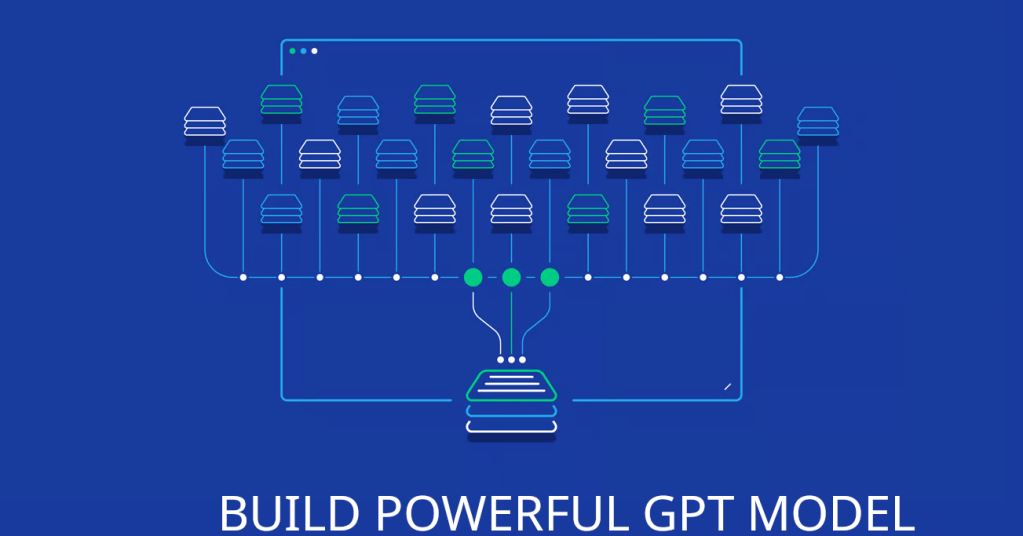
In the realm of artificial intelligence and natural language processing, Generative Pre-trained Transformers (GPT) have emerged as powerful tools for various applications, from chatbots to content generation. Building a GPT model from scratch might sound like a daunting task, but with the right guidance, it becomes a manageable endeavor. In this comprehensive guide, we’ll walk you through the steps to create your own GPT model, highlighting key considerations along the way.
Understanding the Basics
Before delving into the technical aspects of building a GPT model, it’s essential to understand what GPT is and how it works. GPT, short for Generative Pre-trained Transformer, is a type of artificial neural network architecture designed for natural language understanding and generation tasks. It’s been pre-trained on vast amounts of text data and can subsequently be fine-tuned for specific applications.
Prerequisites
To embark on your GPT model-building journey, you’ll need the following:
- Programming Skills: You should be comfortable with programming languages like Python.
- Hardware: A computer with a powerful GPU is recommended for training deep learning models efficiently.
- Software: Install necessary libraries and frameworks like TensorFlow or PyTorch for machine learning.
Step-by-Step Guide
1. Data Collection
The first step is to gather a substantial dataset of text. You can scrape websites, use publicly available text corpora, or even create your own dataset. Ensure the text covers a broad range of topics and is of high quality.
2. Preprocessing
Clean and preprocess your data. This involves tasks like tokenization, lowercasing, and removing special characters. Proper preprocessing is crucial for the model’s performance.
3. Architecture Selection
Choose a GPT architecture that suits your needs. Popular choices include GPT-2 and GPT-3. You can find pre-trained models or start with the architecture from scratch.
4. Model Training
Train your GPT model on the preprocessed data. This step can be computationally intensive and time-consuming. Utilize your GPU to expedite the training process.
5. Fine-Tuning
Fine-tune your model for your specific application. This step involves training the model on a smaller, domain-specific dataset to make it more contextually relevant.
6. Evaluation
Evaluate the performance of your GPT model using appropriate metrics. Adjust hyperparameters if necessary to improve results.
7. Deployment
Once you’re satisfied with the model’s performance, deploy it for your intended use case. This could be for chatbots, content generation, or any other application you have in mind.
8. Maintenance
Regularly update and maintain your GPT model to ensure it remains accurate and relevant. Fine-tuning may be required as the data landscape changes.
Conclusion
Creating a GPT model from scratch is a challenging but rewarding endeavor. It empowers you to develop AI applications that can understand and generate human-like text. Remember that building a GPT model requires dedication, computational resources, and a solid understanding of machine learning principles.
Source Url: https://www.leewayhertz.com/build-a-gpt-model/

 Development Services