Source Url: https://www.leewayhertz.com/what-is-modelops/
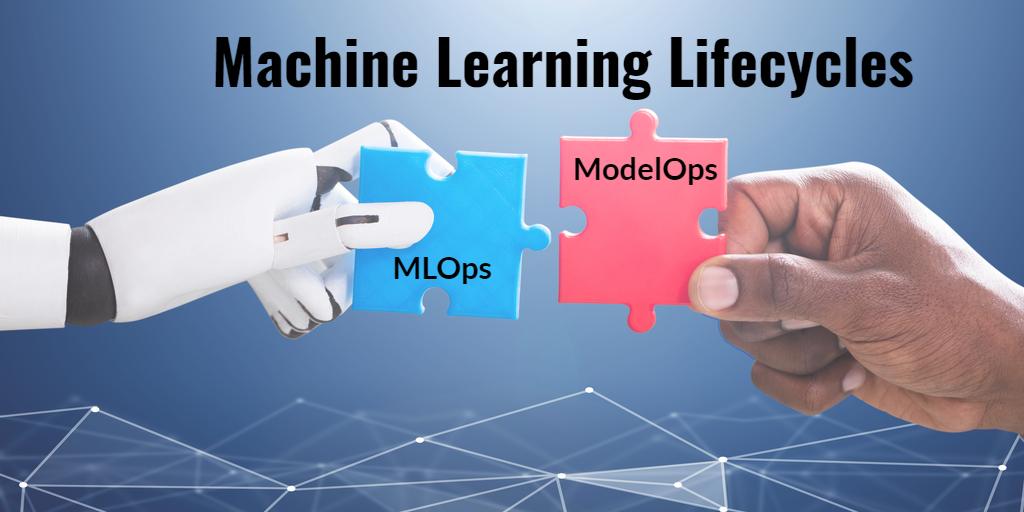
In the fast-evolving landscape of artificial intelligence and machine learning, the term “ModelOps” has emerged as a critical component in the process of deploying and managing machine learning models effectively. ModelOps, short for Model Operations, represents a set of practices and technologies that aim to streamline the end-to-end lifecycle of machine learning models. In this article, we will delve into the essence of ModelOps, exploring what it entails and why it has become indispensable in the realm of data-driven decision-making.
Understanding ModelOps
ModelOps is the bridge between data science and IT operations. It encompasses the practices and tools required to manage the entire model lifecycle, from development and training to deployment and monitoring. The primary goal of ModelOps is to ensure that machine learning models are seamlessly integrated into business operations, delivering value in a reliable and scalable manner.
At its core, ModelOps involves collaboration among cross-functional teams, including data scientists, data engineers, IT operations, and business stakeholders. By aligning these diverse teams, organizations can overcome the challenges associated with deploying and maintaining machine learning models in real-world scenarios.
The ModelOps Lifecycle
1. Development and Training:
The ModelOps journey begins with the development and training of machine learning models. Data scientists work on creating models that meet the business objectives, leveraging diverse datasets and advanced algorithms.
2. Validation and Testing:
Rigorous testing and validation follow the development phase. ModelOps emphasizes the importance of robust testing to ensure the model’s accuracy, reliability, and adherence to predefined performance metrics.
3. Deployment:
Once a model passes validation, it moves into the deployment phase. ModelOps facilitates the seamless integration of models into production environments, making it easier to deploy updates and new models without disrupting operations.
4. Monitoring and Management:
Continuous monitoring is a critical aspect of ModelOps. It involves tracking the performance of deployed models in real-time, identifying anomalies, and triggering alerts when necessary. ModelOps ensures that models remain effective and relevant as data patterns evolve.
5. Scalability and Efficiency:
ModelOps emphasizes scalability and efficiency, allowing organizations to deploy models across diverse platforms and environments. This scalability ensures that machine learning models can handle increased workloads and adapt to changing business requirements.
6. Feedback Loop:
A crucial component of ModelOps is the establishment of a feedback loop. This loop connects model performance metrics with the initial development phase, enabling data scientists to refine and improve models based on real-world insights.
Why ModelOps Matters
1. Faster Time-to-Value:
ModelOps accelerates the time-to-value for machine learning models. By streamlining the deployment process, organizations can quickly translate data science innovations into actionable insights, gaining a competitive edge in dynamic markets.
2. Reduced Operational Risks:
Effective monitoring and management provided by ModelOps reduce operational risks associated with deploying and maintaining machine learning models. This ensures that models operate reliably in production environments, minimizing the potential for costly errors.
3. Enhanced Collaboration:
ModelOps promotes collaboration among different teams involved in the machine learning lifecycle. This cross-functional collaboration leads to a better understanding of business requirements and ensures that models align with organizational goals.
4. Adaptability to Change:
In a rapidly evolving business landscape, adaptability is key. ModelOps enables organizations to adapt to changing data patterns, evolving business priorities, and emerging technologies by providing a framework for seamless model updates and enhancements.
5. Resource Optimization:
ModelOps helps optimize resources by automating repetitive tasks, allowing data scientists to focus on innovation rather than manual operational processes. This resource optimization leads to increased efficiency and cost savings.
Implementing ModelOps in Your Organization
To embrace the power of ModelOps, organizations must invest in the right technologies and foster a culture of collaboration and continuous improvement. Automation tools, model monitoring platforms, and collaboration frameworks are essential components of a successful ModelOps strategy.
Training and upskilling teams in ModelOps practices also play a pivotal role. This ensures that all stakeholders, from data scientists to IT operations, have the necessary skills to effectively contribute to the deployment and management of machine learning models.
Conclusion
ModelOps represents a paradigm shift in the way organizations approach the deployment and management of machine learning models. By integrating data science with IT operations and emphasizing collaboration, ModelOps streamlines the entire model lifecycle, enabling organizations to harness the full potential of their machine learning initiatives. As businesses continue to rely on data-driven insights, adopting ModelOps is not just a choice; it’s a strategic imperative for staying competitive in the era of artificial intelligence.

 Development Services