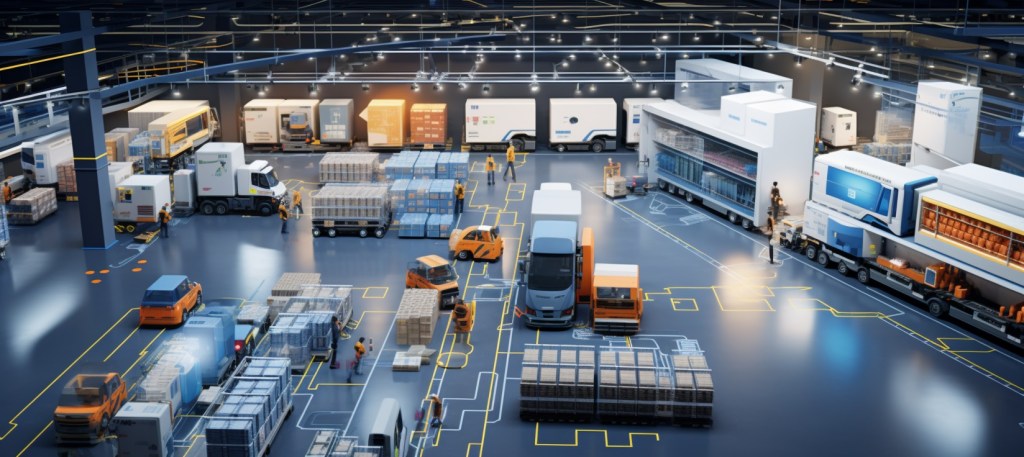
In the fast-paced world of logistics and supply chain management, efficiency, accuracy, and timely delivery are paramount. Traditional methods have served their purpose, but the integration of Artificial Intelligence (AI) is reshaping the landscape, offering unprecedented advantages to businesses. This article explores the transformative impact of AI in logistics and supply chain, shedding light on its benefits and the revolutionary changes it brings to the industry.
The Role of AI in Logistics and Supply Chain
As the backbone of global trade, logistics and supply chain management faces numerous challenges such as optimizing routes, reducing costs, minimizing errors, and ensuring timely deliveries. AI emerges as a game-changer by harnessing the power of data, automation, and machine learning algorithms to streamline operations.
One of the key aspects of AI in logistics is predictive analytics. By analyzing historical data and patterns, AI algorithms can forecast demand, enabling businesses to optimize inventory levels, reduce excess stock, and prevent stockouts. This predictive capability not only enhances inventory management but also contributes to significant cost savings.
Automation is another critical facet of AI implementation in logistics. With the help of robotics and autonomous vehicles, routine tasks such as sorting, packing, and transportation can be automated. This not only accelerates the speed of operations but also minimizes human errors, ultimately improving overall efficiency.
Benefits of AI in Logistics
- Enhanced Efficiency: AI optimizes the entire supply chain process, from procurement to delivery. Automation of repetitive tasks reduces the margin for errors, ensuring that operations run smoothly and efficiently.
- Real-time Tracking and Visibility: AI-powered systems provide real-time visibility into the movement of goods. This not only enables accurate tracking but also allows for better decision-making, as managers can respond promptly to any deviations or disruptions in the supply chain.
- Cost Reduction: By optimizing routes, managing inventory more effectively, and automating manual tasks, AI helps in cutting operational costs. Businesses can allocate resources more efficiently and reduce unnecessary expenditures.
- Predictive Maintenance: AI facilitates predictive maintenance for vehicles and machinery used in logistics. By analyzing data from sensors and historical maintenance records, AI algorithms can predict when equipment is likely to fail, enabling proactive maintenance and minimizing downtime.
- Dynamic Routing: AI algorithms consider various factors, such as traffic conditions, weather, and road closures, to dynamically optimize delivery routes. This not only ensures timely deliveries but also contributes to fuel efficiency and reduces the environmental impact of transportation.
- Customer Satisfaction: With improved efficiency and accurate delivery predictions, AI enhances the overall customer experience. Timely deliveries and transparent tracking contribute to higher customer satisfaction and loyalty.
Case Studies in AI-Driven Logistics
Several real-world examples demonstrate the positive impact of AI in logistics and supply chain management:
- Amazon’s Robotics Fulfillment Centers: Amazon utilizes robots in its fulfillment centers to automate the picking and packing process. This has significantly increased the speed of order fulfillment, reduced errors, and improved overall operational efficiency.
- UPS’s Route Optimization: United Parcel Service (UPS) employs AI algorithms to optimize delivery routes. This not only minimizes fuel consumption but also ensures that packages reach their destinations faster, contributing to a more sustainable and efficient supply chain.
- Maersk’s Predictive Maintenance: Maersk, a global shipping company, employs AI for predictive maintenance of its vessels. By analyzing data from sensors on ships, Maersk can predict equipment failures, schedule maintenance proactively, and avoid costly downtime.
Challenges and Considerations
While the benefits of AI in logistics are substantial, there are challenges that businesses need to address during implementation. Some of these challenges include data security concerns, the initial cost of adopting AI technology, and the need for skilled professionals to manage and interpret the vast amounts of data generated.
Conclusion
AI is undeniably reshaping the future of logistics and supply chain management. The integration of predictive analytics, automation, and machine learning offers unprecedented benefits, ranging from enhanced efficiency and cost reduction to improved customer satisfaction. As businesses continue to navigate the complexities of the modern supply chain, embracing AI is not just a technological advancement but a strategic imperative to stay competitive in the ever-evolving landscape.

 Development Services