In the ever-evolving landscape of natural language processing and artificial intelligence, cutting-edge technologies continue to redefine the boundaries of what machines can do. One such breakthrough is the concept of “Retrieval Augmented Generation,” a technique that has sparked immense interest and is revolutionizing the way we generate human-like text.
In this article, we will dive into the world of Retrieval Augmented Generation, understand what it is, and explore its myriad applications and implications.
Understanding Retrieval Augmented Generation
Retrieval Augmented Generation is a powerful approach that marries two fundamental aspects of language AI: retrieval and generation. At its core, this technique combines the ability to retrieve information from existing data sources with the capability to generate human-like text. This union of two AI subfields brings about new possibilities and efficiencies in various applications.
How Retrieval Augmented Generation Works
The process of Retrieval Augmented Generation can be broken down into several key steps:
Data Retrieval: Initially, the model searches and retrieves relevant information from a vast dataset or external sources. This could include anything from text documents and web pages to structured databases.
Data Fusion: The retrieved data is then integrated into the model’s knowledge base, allowing it to access and reference this information during the generation process.
Text Generation: The model leverages both its inherent language generation capabilities and the retrieved data to produce coherent, context-aware, and information-rich text. This results in text that is not only linguistically sound but also contextually accurate and data-enriched.
Applications of Retrieval Augmented Generation
The versatility of Retrieval Augmented Generation makes it applicable in various domains:
1. Chatbots and Virtual Assistants
By integrating retrieval augmented techniques, chatbots and virtual assistants can provide more informed and context-aware responses. This leads to improved user experiences and the ability to handle a broader range of inquiries.
2. Content Generation
In content generation, Retrieval Augmented Generation can be used to gather and integrate data from a multitude of sources, ensuring that the content is up-to-date, accurate, and rich in information. This is particularly valuable in news reporting, content marketing, and data-driven journalism.
3. Language Translation
In the realm of translation services, this technology can access large bilingual or multilingual corpora, enhancing the quality and accuracy of translations by referencing extensive databases of translated texts.
4. Medical Diagnosis
In healthcare, Retrieval Augmented Generation can assist in medical diagnosis by referencing extensive medical literature and case studies, allowing doctors to make more informed decisions.
5. Legal Research
In the legal field, this technology can quickly retrieve and summarize case law, statutes, and legal precedents, expediting the research process for lawyers and legal professionals.
Challenges and Ethical Considerations
While Retrieval Augmented Generation is a remarkable advancement, it does come with its set of challenges and ethical considerations. The potential for biases in the retrieved data, issues related to data privacy, and concerns about the authenticity of generated content all need to be addressed as this technology matures.
Conclusion
Retrieval Augmented Generation is pushing the boundaries of what AI can achieve in natural language processing. By seamlessly merging data retrieval with text generation, this technology offers unprecedented capabilities in a wide range of applications. As it continues to evolve, we must remain vigilant about addressing its challenges and ethical concerns.
In a world where the demand for context-aware, information-rich text is ever-increasing, Retrieval Augmented Generation stands as a promising solution, revolutionizing the way we interact with AI systems and creating new opportunities for innovation.
In the ever-evolving landscape of human resources and talent acquisition, the integration of Artificial Intelligence (AI) has become a game-changer. With AI in talent acquisition, companies are transforming the way they identify, engage, and nurture top talent. This technological marvel has not only streamlined recruitment processes but has also enhanced decision-making, making it more data-driven and efficient.
The Current Landscape of Talent Acquisition
Traditional talent acquisition processes often proved to be arduous and time-consuming. HR professionals sifted through a multitude of resumes, conducted numerous interviews, and faced challenges in identifying the best-fit candidates. This method, while effective to some extent, had its limitations. It often resulted in a high time-to-fill metric, which led to lost opportunities and increased costs.
Moreover, the traditional hiring process had an inherent bias, as human judgments were susceptible to conscious or unconscious prejudices. This bias sometimes led to missing out on exceptional candidates from diverse backgrounds.
AI in Talent Acquisition
Artificial Intelligence has altered the recruitment landscape in ways unimaginable just a few years ago. With AI-powered tools, companies can now identify top talent swiftly and accurately. Let’s delve into how AI is reshaping talent acquisition:
1. Enhanced Candidate Sourcing
AI algorithms can scour through vast databases of resumes and job postings, identifying potential candidates that match specific job requirements. This not only accelerates the sourcing process but also ensures that no promising candidate goes unnoticed.
Furthermore, AI can provide valuable insights into the demand and supply of certain skills in the job market, enabling organizations to fine-tune their job descriptions to attract the right talent.
2. Improved Screening and Shortlisting
AI-driven screening tools analyze candidate resumes and applications based on predefined criteria. They can assess qualifications, experience, and skills, thus eliminating the need for human intervention at the initial stages of candidate evaluation.
These tools also mitigate bias by focusing solely on the qualifications and experience of candidates, making the shortlisting process more objective and fair.
3. Candidate Engagement and Experience
AI chatbots and virtual assistants have become instrumental in enhancing the candidate experience. They can answer frequently asked questions, schedule interviews, and provide status updates to candidates. This not only streamlines the communication process but also leaves a positive impression on potential hires.
Moreover, AI tools can analyze candidate behavior on career websites to identify areas where the application process can be improved, ensuring a smoother experience for candidates.
4. Predictive Analytics
One of the most transformative aspects of AI in talent acquisition is its ability to make data-driven predictions. Predictive analytics can forecast candidate success, employee retention, and overall job fit. This enables organizations to make more informed decisions regarding their hiring strategies and investments.
For instance, AI can identify patterns in the backgrounds and behaviors of successful employees and use this data to predict which candidates are most likely to excel in similar roles.
5. Onboarding and Training
AI extends its influence beyond the recruitment process and into onboarding and training. It can develop personalized onboarding plans, offer continuous learning resources, and even assess the effectiveness of training programs.
AI-powered learning management systems can provide employees with tailored learning content, enhancing their skills and capabilities, ultimately benefiting both the employee and the organization.
Challenges and Ethical Considerations
While the impact of AI in talent acquisition is overwhelmingly positive, it also raises some challenges and ethical considerations that organizations must address:
1. Bias Mitigation
AI systems are only as unbiased as the data they are trained on. If historical data contains bias, AI algorithms can perpetuate it. Therefore, organizations must actively work to remove bias from their hiring processes and continuously monitor AI systems for bias.
2. Data Privacy
The collection and use of candidate data raise concerns about privacy and security. Organizations need to implement robust data protection measures and be transparent about how candidate data is used.
3. Human-AI Collaboration
AI should augment human decision-making, not replace it entirely. Human judgment, empathy, and creativity are still essential in many aspects of talent acquisition. Striking the right balance between AI and human involvement is a crucial challenge.
4. Skill Development
The integration of AI in talent acquisition requires HR professionals to develop new skills, including data analysis and AI system management. Organizations must invest in training and development to ensure that their teams can harness the full potential of AI.
The Future of AI in Talent Acquisition
The journey of AI in talent acquisition has just begun, and the future is filled with exciting possibilities. Here’s a glimpse of what lies ahead:
1. Advanced Predictive Analytics
AI will become even more proficient at predicting candidate success and job fit. This will allow organizations to make highly informed decisions about their hires.
2. Virtual Reality Interviews
Virtual reality and AI will merge to create immersive interview experiences. Candidates can be placed in realistic job-related scenarios to assess their skills and reactions.
3. Continuous Learning
AI-driven learning platforms will provide employees with personalized, ongoing training and development opportunities, ensuring a highly skilled workforce.
4. Emotion Recognition
AI systems may be able to analyze candidate interviews to detect emotional cues, helping to assess their cultural fit and emotional intelligence.
5. Augmented Decision Support
AI will provide HR professionals with augmented decision support systems, helping them make choices that align with the organization’s strategic goals.
Conclusion
Artificial Intelligence has ushered in a new era in talent acquisition. Its ability to enhance candidate sourcing, screening, engagement, and predictive analytics is transforming the recruitment process. However, it also poses challenges in terms of bias, data privacy, and the need for continuous skill development.
The key to successful integration is to view AI as a powerful assistant to human recruiters, not a replacement. The synergy between human judgment and AI’s data-driven insights is where the future of talent acquisition truly lies.
In today’s fast-paced world, the banking and finance sector is undergoing a profound transformation, thanks to the integration of Artificial Intelligence (AI) technologies. AI is no longer a futuristic concept; it’s a reality reshaping the way financial institutions operate, manage risk, engage with customers, and make informed decisions. This article explores the exciting realm of AI in banking and finance, shedding light on some of the most compelling AI use cases in this industry.
AI in Banking and Finance: A Revolution Unfolding
The financial landscape is evolving at an unprecedented pace, and AI is at the forefront of this revolution. Institutions are leveraging AI to streamline operations, enhance customer experiences, and gain a competitive edge. Let’s delve into the key AI use cases that are reshaping banking and finance.
Fraud Detection and Prevention:AI plays a pivotal role in safeguarding the financial industry from fraudulent activities. Machine learning algorithms analyze massive datasets to identify unusual patterns and flag potential fraudulent transactions in real-time. This not only protects customers but also minimizes losses for banks and financial institutions.
Customer Service and Chatbots:AI-powered chatbots are transforming customer service in the banking sector. These virtual assistants are available 24/7, providing instant responses to customer queries, helping with account inquiries, and even assisting in financial planning. This ensures improved customer satisfaction and operational efficiency.
Credit Scoring and Risk Assessment:Traditional credit scoring models are being enhanced with AI. Machine learning algorithms analyze a broader range of data, including non-traditional sources, to assess creditworthiness more accurately. This allows financial institutions to offer loans to a wider customer base while managing risk effectively.
Algorithmic Trading:AI-driven algorithms are making waves in the world of trading. These algorithms analyze market trends, news, and historical data to make split-second trading decisions. This not only enhances trading efficiency but also helps in minimizing human error.
Personalized Financial Recommendations:AI leverages customer data to provide personalized financial recommendations. Whether it’s investment advice, budgeting tips, or retirement planning, AI can tailor recommendations to individual needs, fostering better financial decision-making.
Regulatory Compliance:The financial sector is subject to strict regulations. AI helps institutions stay compliant by automating compliance checks, monitoring transactions for suspicious activities, and ensuring that all regulatory requirements are met.
Predictive Analytics:AI harnesses the power of predictive analytics to forecast market trends, customer behavior, and financial performance. This enables banks and financial institutions to make data-driven decisions and stay ahead of the competition.
Automated Document Processing:Handling and processing a large volume of documents is a common challenge in banking and finance. AI-powered tools automate document processing, reducing errors and improving efficiency in tasks like loan approvals and account openings.
The Road Ahead: AI-Driven Transformation
As AI continues to evolve, its role in banking and finance will become even more pronounced. Financial institutions that embrace AI will be better equipped to meet the demands of their customers and stay competitive in an ever-changing landscape.
Conclusion
AI is not just a buzzword in the banking and finance sector; it’s a game-changer. From fraud detection to personalized recommendations, the applications of AI are vast and promising. Institutions that invest in AI technologies today are poised to reap the benefits of increased efficiency, improved customer experiences, and enhanced decision-making capabilities. The future of banking and finance is being written by lines of code and algorithms, and it looks incredibly promising.
In the realm of artificial intelligence, generative AI models have emerged as a fascinating and powerful tool. These models, which include GANs (Generative Adversarial Networks), VAEs (Variational Autoencoders), and more, have sparked a revolution in creativity, content generation, and problem-solving. In this article, we’ll take a deep dive into generative AI models, understanding what they are, their applications, and the incredible impact they are making across various industries.
Understanding Generative AI Models
Generative AI models are a subset of artificial intelligence designed to generate content that is similar to what humans can create. These models are trained on vast datasets and learn to mimic patterns, structures, and features present in the data. Unlike traditional AI models that are designed for classification or regression tasks, generative AI models excel at creative tasks, making them invaluable in fields such as art, design, and content generation.
Applications of Generative AI Models
Generative AI models have a wide range of applications across diverse domains:
Art and Creativity: Generative AI models can produce stunning pieces of art, music, and literature. They enable artists and creators to explore new dimensions of their craft by generating novel ideas and inspirations.
Content Generation: From writing news articles to creating marketing materials, generative AI models can automate content creation, saving time and resources.
Data Augmentation: In data science and machine learning, these models can augment datasets, helping improve the performance of predictive models.
Anomaly Detection: Generative models can detect anomalies in data by flagging instances that deviate significantly from the learned patterns.
Image Generation and Enhancement: They can create realistic images from textual descriptions or enhance existing images.
Medical Imaging: Generative models aid in medical image synthesis, reconstruction, and denoising, contributing to better healthcare diagnostics.
Language Translation: They assist in improving language translation by generating contextually relevant translations.
Game Development: Generative AI is used in game design to create diverse, dynamic game environments and characters.
Challenges and Ethical Considerations
Despite their incredible potential, generative AI models come with challenges. They require extensive computing power and large datasets for training. Ethical concerns also arise, especially in the context of deepfakes and misinformation.
Conclusion
Generative AI models have ushered in a new era of innovation and creativity. Their ability to generate content that ranges from artistic masterpieces to highly functional data is transforming industries. However, as we continue to harness the power of generative AI, it is crucial to do so responsibly, addressing ethical concerns and ensuring that these models are used for the betterment of society.
Generative AI models have already made significant strides, and their journey of transformation is far from over. As technology continues to evolve, so will the capabilities of generative AI, opening up new horizons of creativity and innovation. The future promises a world where generative AI is an integral part of various industries, pushing the boundaries of what is possible.
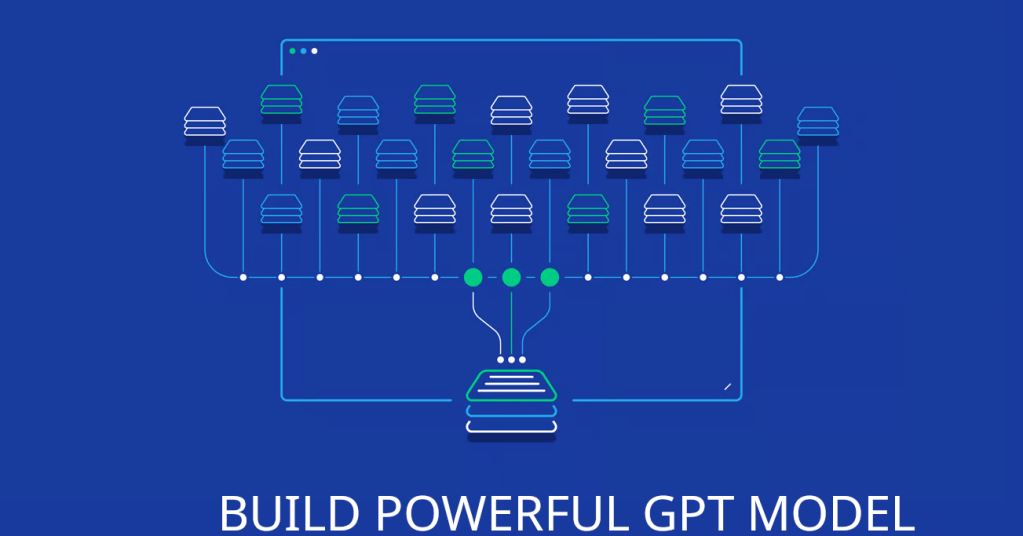
In the realm of artificial intelligence and natural language processing, Generative Pre-trained Transformers (GPT) have emerged as powerful tools for various applications, from chatbots to content generation. Building a GPT model from scratch might sound like a daunting task, but with the right guidance, it becomes a manageable endeavor. In this comprehensive guide, we’ll walk you through the steps to create your own GPT model, highlighting key considerations along the way.
Understanding the Basics
Before delving into the technical aspects of building a GPT model, it’s essential to understand what GPT is and how it works. GPT, short for Generative Pre-trained Transformer, is a type of artificial neural network architecture designed for natural language understanding and generation tasks. It’s been pre-trained on vast amounts of text data and can subsequently be fine-tuned for specific applications.
Prerequisites
To embark on your GPT model-building journey, you’ll need the following:
Programming Skills: You should be comfortable with programming languages like Python.
Hardware: A computer with a powerful GPU is recommended for training deep learning models efficiently.
Software: Install necessary libraries and frameworks like TensorFlow or PyTorch for machine learning.
Step-by-Step Guide
1. Data Collection
The first step is to gather a substantial dataset of text. You can scrape websites, use publicly available text corpora, or even create your own dataset. Ensure the text covers a broad range of topics and is of high quality.
2. Preprocessing
Clean and preprocess your data. This involves tasks like tokenization, lowercasing, and removing special characters. Proper preprocessing is crucial for the model’s performance.
3. Architecture Selection
Choose a GPT architecture that suits your needs. Popular choices include GPT-2 and GPT-3. You can find pre-trained models or start with the architecture from scratch.
4. Model Training
Train your GPT model on the preprocessed data. This step can be computationally intensive and time-consuming. Utilize your GPU to expedite the training process.
5. Fine-Tuning
Fine-tune your model for your specific application. This step involves training the model on a smaller, domain-specific dataset to make it more contextually relevant.
6. Evaluation
Evaluate the performance of your GPT model using appropriate metrics. Adjust hyperparameters if necessary to improve results.
7. Deployment
Once you’re satisfied with the model’s performance, deploy it for your intended use case. This could be for chatbots, content generation, or any other application you have in mind.
8. Maintenance
Regularly update and maintain your GPT model to ensure it remains accurate and relevant. Fine-tuning may be required as the data landscape changes.
Conclusion
Creating a GPT model from scratch is a challenging but rewarding endeavor. It empowers you to develop AI applications that can understand and generate human-like text. Remember that building a GPT model requires dedication, computational resources, and a solid understanding of machine learning principles.
In the age of information, businesses are constantly seeking innovative ways to harness the power of data. One such breakthrough technology that has revolutionized the world of data analytics is Artificial Intelligence (AI). In this article, we will delve deep into the realm of AI in data analytics, shedding light on its significance, applications, and how it can drive actionable insights from data.
Understanding AI in Data Analytics
AI in data analytics refers to the integration of artificial intelligence techniques and algorithms to analyze large datasets, extract valuable insights, and make data-driven decisions. This powerful combination enhances the efficiency and accuracy of data analysis, transforming it into a strategic asset for organizations across various industries.
The Significance of AI in Data Analytics
Data analytics has always played a pivotal role in decision-making, but AI takes it to a whole new level. Here are some key reasons why AI is indispensable in the field of data analytics:
Advanced Pattern Recognition: AI algorithms excel at identifying complex patterns and trends within data that might be difficult to discern using traditional methods. This capability allows organizations to uncover hidden insights and make more informed decisions.
Real-time Analytics: AI-driven data analytics systems can process vast amounts of data in real-time, providing organizations with up-to-the-minute insights. This agility is crucial in industries where timely decisions can make a significant impact, such as finance or healthcare.
Predictive Analytics: AI models can predict future trends and outcomes based on historical data, enabling organizations to proactively address potential issues or opportunities. This proactive approach is invaluable for optimizing business operations.
Automation: AI automates repetitive data analysis tasks, reducing the workload on human analysts. This not only saves time but also minimizes the risk of errors in the analysis process.
Personalization: In marketing and customer service, AI-powered data analytics can be used to create highly personalized experiences for customers, leading to increased customer satisfaction and retention.
Applications of AI in Data Analytics
The applications of AI in data analytics are vast and diverse, spanning across various industries. Here are some notable examples:
Business Intelligence: AI-driven business intelligence tools help organizations gain a deeper understanding of their operations, market trends, and customer behavior. This knowledge empowers them to make data-driven decisions that can drive growth and efficiency.
Healthcare Analytics: AI is revolutionizing healthcare by analyzing patient data to improve diagnoses, treatment plans, and disease predictions. It also plays a crucial role in drug discovery and clinical research.
Finance: In the financial sector, AI-powered analytics tools are used for fraud detection, risk assessment, and algorithmic trading. These applications enhance the accuracy and speed of financial decision-making.
E-commerce: Online retailers use AI to analyze customer data and provide personalized product recommendations. This boosts sales and enhances the overall shopping experience.
Manufacturing: AI-driven analytics in manufacturing help optimize production processes, predict equipment maintenance needs, and ensure product quality.
Social Media and Marketing: AI analyzes social media data to track brand sentiment, identify trends, and target advertising to specific demographics.
Challenges and Considerations
While AI in data analytics holds immense potential, there are several challenges and considerations to keep in mind:
Data Privacy and Security: Handling large volumes of data requires robust security measures to protect sensitive information from breaches.
Data Quality: AI relies heavily on data quality. Inaccurate or incomplete data can lead to misleading insights.
Ethical Concerns: There are ethical considerations surrounding the use of AI in data analytics, especially when it comes to privacy, bias, and transparency.
Skill Gap: Organizations need skilled data scientists and analysts who can work with AI tools effectively.
Regulatory Compliance: Compliance with data protection regulations is crucial, and AI systems must adhere to these rules.
Conclusion
AI in data analytics is a game-changer for businesses seeking to gain a competitive edge in today’s data-driven world. It empowers organizations to unlock the full potential of their data, making it a strategic asset for growth and innovation. By harnessing the capabilities of AI, organizations can uncover valuable insights, enhance decision-making, and stay ahead of the curve in their respective industries. However, it’s essential to approach AI in data analytics with caution, addressing privacy, security, and ethical concerns to ensure its responsible and effective use. As AI continues to evolve, its role in data analytics will only become more significant, shaping the future of data-driven decision-making.
In an era where technology reigns supreme, Artificial Intelligence (AI) is the driving force behind transformative changes across various industries. From data analytics and customer support to procurement, HR, security, sentiment analysis, anomaly detection, and trade promotion, AI is reshaping how businesses operate. In this series, we explore the profound impact of AI in each of these domains, unveiling how it streamlines processes, enhances decision-making, improves customer experiences, and leads us towards a data-driven future.
Unlocking Insights: The Role of AI in Data Analytics
In today’s fast-paced, data-driven world, businesses across industries are constantly seeking new ways to harness the power of data. This quest has given rise to the integration of Artificial Intelligence (AI) in data analytics, revolutionizing the way organizations extract insights from their data and make informed decisions.
Introduction: The Marriage of AI and Data Analytics
Data analytics has long been a crucial tool for organizations to gain insights into their operations, customer behaviors, and market trends. However, as data volumes continue to soar, traditional analytics methods have started to show their limitations. This is where AI steps in, offering the promise of unlocking deeper insights, predicting future trends, and optimizing decision-making processes.
The Evolution of Data Analytics with AI
Traditional data analytics primarily relies on historical data and predefined rules to derive insights. In contrast, AI-powered data analytics leverages advanced machine learning algorithms to discover patterns, anomalies, and correlations that may be hidden to human analysts. This evolution has paved the way for predictive and prescriptive analytics, allowing businesses to anticipate future outcomes and take proactive measures.
Real-World Examples of AI-Driven Data Analytics
AI-driven data analytics is making a substantial impact across various industries. For instance, in healthcare, AI algorithms analyze patient data to assist in disease diagnosis and treatment recommendations. Financial institutions use AI to detect fraudulent transactions in real-time, saving billions of dollars annually. Retailers employ AI to optimize pricing strategies and predict customer demand, leading to increased revenue.
The Impact of AI in Making Data-Driven Decisions
One of the most significant benefits of AI in data analytics is its ability to enhance decision-making processes. AI algorithms process vast amounts of data quickly, providing actionable insights in near real-time. This empowers businesses to make informed decisions that drive efficiency, reduce costs, and improve customer experiences.
The Future of Data Analytics with AI
As AI continues to advance, the future of data analytics looks promising. Expectations include AI systems that can explain their reasoning, improved automation of data preparation, and more accessible AI tools for non-technical users. The key to success will be striking a balance between human expertise and AI capabilities.
Revolutionizing Customer Support with AI
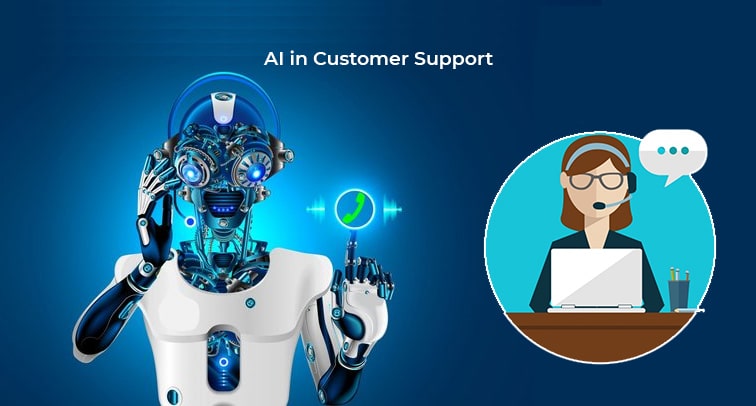
Customer support is a critical aspect of any business, and it has traditionally relied on human agents to address customer inquiries and issues. However, the advent of Artificial Intelligence (AI) is revolutionizing the customer support landscape, offering new ways to enhance efficiency, reduce response times, and provide personalized experiences.
The Changing Face of Customer Support
Customer support is undergoing a significant transformation, driven by advances in AI technologies. Traditional support methods often involve long wait times and scripted responses, leading to frustration among customers. AI-powered solutions aim to address these pain points and deliver a more efficient and customer-centric support experience.
How AI-Powered Chatbots are Transforming Customer Support
Chatbots, powered by AI, have become a staple in the world of customer support. These virtual agents can handle a wide range of customer inquiries 24/7, ensuring that support is available whenever customers need it. Chatbots use natural language processing (NLP) to understand and respond to customer queries, making interactions feel more human-like.
Case Studies Showcasing AI-Driven Customer Support Solutions
Numerous companies have embraced AI-driven customer support with impressive results. For example, a leading e-commerce platform implemented a chatbot that reduced response times by 50%, leading to a 30% increase in customer satisfaction. Another company in the telecommunications sector saw a 40% reduction in support costs after adopting AI-powered chatbots.
Benefits of AI for Providing Personalized Customer Experiences
AI not only streamlines support processes but also enables personalization at scale. By analyzing customer data, AI systems can provide tailored recommendations and solutions. This personal touch enhances customer loyalty and drives higher conversion rates, as customers feel understood and valued by the brand.
The Future of AI in Customer Support and Its Potential
The future of AI in customer support holds even more promise. AI-driven support will likely involve more sophisticated chatbots capable of handling complex inquiries and emotional cues. Additionally, AI will play a significant role in predictive customer support, anticipating issues before they arise and proactively addressing them.
Efficiency Unleashed: AI in Procurement
Procurement is a fundamental function for organizations across industries, responsible for sourcing goods and services essential for operations. The integration of Artificial Intelligence (AI) in procurement processes is revolutionizing the way businesses manage their supply chains, leading to cost savings, increased efficiency, and improved decision-making.
The Significance of Procurement
Procurement is the backbone of many businesses, ensuring that the right resources are acquired at the right time and cost. Traditionally, procurement involved manual processes, but the advent of AI is transforming this function into a strategic powerhouse.
How AI Streamlines Procurement Processes
AI brings automation and intelligence to procurement, making processes faster and more accurate. Machine learning algorithms can analyze historical data to predict demand, optimize inventory levels, and even negotiate with suppliers to secure the best deals. These capabilities reduce human errors and enhance efficiency.
Case Studies Highlighting AI’s Impact on Cost Savings and Supply Chain Optimization
Leading companies are already reaping the benefits of AI in procurement. A global manufacturing firm implemented AI-driven demand forecasting, resulting in a 15% reduction in excess inventory and a 10% decrease in stockouts. In the logistics sector, AI-driven route optimization reduced transportation costs by 20%.
The Potential of AI in Shaping the Future of Procurement
The future of procurement holds significant potential for AI. Emerging technologies like blockchain will ensure transparency and traceability in supply chains, reducing the risk of fraud and counterfeiting. Procurement professionals will increasingly rely on AI-driven insights to make strategic decisions that impact the entire organization.
Elevating HR Practices with AI
Human Resources (HR) is the heart of any organization, responsible for managing talent, fostering a positive workplace culture, and driving employee engagement. The infusion of Artificial Intelligence (AI) in HR processes is transforming the way businesses recruit, develop, and retain their workforce, ultimately leading to more effective and data-driven HR practices.
The Changing Landscape of HR
HR has evolved from a primarily administrative function to a strategic partner for organizations. In this transformation, AI plays a pivotal role by automating routine tasks, providing data-driven insights, and enhancing the overall HR experience for both employees and employers.
The Application of AI in Talent Acquisition and Recruitment
Talent acquisition is a critical function for any organization, and AI is revolutionizing the way companies identify and hire top talent. AI-driven tools can sift through resumes, conduct initial screenings, and even predict candidate success based on historical data, significantly reducing time-to-hire and improving the quality of candidates selected.
Enhancing Employee Engagement and Retention through AI
Employee engagement and retention are vital for an organization’s success. AI helps by analyzing employee sentiment, identifying factors that contribute to turnover, and suggesting interventions to improve job satisfaction. Personalized development plans driven by AI can also boost employee growth and loyalty.
Real-Life Examples of Organizations Leveraging AI for HR Benefits
Numerous organizations are witnessing the positive impact of AI in HR. A global tech company, for instance, used AI-powered surveys to uncover issues affecting employee engagement. As a result, they implemented targeted initiatives that led to a 15% increase in employee satisfaction within a year.
Future Trends in AI-Driven HR Practices
The future of HR lies in further integration with AI technologies. Chatbots will provide instant support for employee queries, AI-driven analytics will enable proactive HR decision-making, and predictive models will anticipate workforce needs, ensuring businesses can adapt to changing dynamics efficiently.
Optimizing Trade Promotion with AI
Trade promotion is a cornerstone of sales and marketing strategies for many businesses. The integration of Artificial Intelligence (AI) in trade promotion optimization is revolutionizing the way companies plan and execute promotional campaigns, leading to increased revenue, improved demand forecasting, and enhanced ROI.
The Role of Trade Promotion in Business
Trade promotion involves a range of activities aimed at boosting sales and brand visibility. However, traditional methods often suffer from inefficiencies and a lack of data-driven decision-making. AI is changing this landscape by offering tools for smarter trade promotion strategies.
The Evolving Landscape of Trade Promotion and Its Challenges
Trade promotion has historically been resource-intensive and challenging to measure. AI addresses these issues by providing data-driven insights into which promotions work and which don’t. This ensures that businesses can allocate resources effectively and maximize ROI.
Advanced AI Techniques for Trade Promotion Optimization
AI is not limited to automating repetitive tasks; it also leverages advanced techniques like machine learning to predict consumer behavior and optimize promotion strategies. Machine learning models can analyze vast datasets to identify patterns and trends, allowing companies to tailor promotions to specific customer segments.
Real-World Examples of Companies Leveraging AI in Trade Promotion
Leading companies in various industries are already reaping the benefits of AI in trade promotion. A multinational consumer goods corporation implemented AI-driven demand forecasting, leading to a 15% reduction in excess inventory and a 10% decrease in stockouts. In the retail sector, AI-powered dynamic pricing strategies increased sales by 20%.
Concluding Thoughts on the Broader Implications of AI in Trade Promotion
The future of trade promotion is closely tied to AI’s continued evolution. Businesses that embrace AI in this realm will likely see not only improved promotional outcomes but also a competitive edge in the market. As AI technologies continue to advance, trade promotion will become more dynamic, data-driven, and responsive to customer needs.
Anomaly Detection: How AI Is Transforming Security and Risk Management
In today’s digital age, organizations face a growing challenge in safeguarding their data and assets from various threats. The integration of Artificial Intelligence (AI) in anomaly detection is revolutionizing security and risk management practices, enabling businesses to identify and mitigate potential risks with unprecedented accuracy and speed.
The Rising Importance of Anomaly Detection
Anomaly detection is a critical component of modern security and risk management. Traditional methods often struggle to keep pace with evolving threats. AI-powered anomaly detection systems, on the other hand, can analyze vast amounts of data in real-time, making them indispensable in today’s threat landscape.
How AI-Powered Anomaly Detection Works
AI-driven anomaly detection relies on advanced machine learning algorithms to establish normal behavior patterns within a system. Any deviations from these established norms are flagged as anomalies, signaling potential security breaches or operational issues. This proactive approach allows organizations to respond swiftly to emerging threats.
Real-World Examples of AI’s Role in Identifying Security Threats and Risks
AI-driven anomaly detection has made a significant impact across various sectors. In the financial industry, AI is used to detect fraudulent transactions by analyzing transaction patterns. In cybersecurity, AI can spot unusual network behavior indicative of a cyberattack. These applications have resulted in substantial reductions in risks and losses.
The Advantages of Using AI for Proactive Risk Mitigation
One of the primary advantages of AI in anomaly detection is its ability to provide real-time alerts and proactive risk mitigation. Organizations can respond to threats as they happen, preventing potential damage and financial losses. Additionally, AI continuously learns and adapts to new threats, staying ahead of evolving risks.
The Future of AI-Driven Anomaly Detection for Enhanced Security
As AI technologies continue to evolve, the future of anomaly detection in security and risk management holds great promise. AI systems will become more sophisticated, capable of detecting even subtle anomalies. Moreover, AI will play a crucial role in automated incident response, further bolstering organizational security.
Understanding Customer Sentiments: AI in Sentiment Analysis
In the age of social media and online reviews, understanding customer sentiments is crucial for businesses. The integration of Artificial Intelligence (AI) in sentiment analysis is changing the way companies gather and leverage customer feedback to enhance their products, services, and brand reputation.
Introduction: The Power of Customer Sentiment
Customer sentiment analysis involves the extraction of emotional cues and opinions expressed by customers. Traditionally, this was a manual and time-consuming process. However, AI has transformed sentiment analysis into a scalable and actionable tool for businesses seeking to improve their customer experiences.
How AI-Driven Sentiment Analysis Works
AI-driven sentiment analysis relies on natural language processing (NLP) and machine learning algorithms to decipher customer sentiments from text data. It categorizes text as positive, negative, or neutral and can even identify specific emotions such as joy, anger, or frustration. This automation allows businesses to process vast amounts of feedback efficiently.
Case Studies Showcasing AI-Driven Customer Sentiment Solutions
Numerous companies have embraced AI-driven sentiment analysis with impressive results. For instance, a leading e-commerce platform uses sentiment analysis to gain insights from customer reviews, allowing them to identify product improvements and marketing strategies. Another company in the hospitality sector leverages sentiment analysis to assess guest satisfaction and tailor their services accordingly.
Leveraging Sentiment Analysis for Improving Brand Reputation and Customer Satisfaction
AI-powered sentiment analysis provides businesses with actionable insights into customer feedback, enabling them to address pain points, improve products and services, and enhance overall customer satisfaction. Moreover, it plays a crucial role in managing brand reputation by swiftly responding to negative sentiments and issues.
Future Trends in AI-Powered Sentiment Analysis for Businesses
The future of sentiment analysis in business will likely involve even more nuanced and context-aware AI models. This will enable companies to understand customer sentiments in greater depth, leading to more targeted and effective strategies for customer engagement and product development.
Conclusion
As we conclude this enlightening series on the transformative power of AI across diverse industries, we recognize the unifying theme of innovation. AI is not merely a tool; it’s a dynamic force propelling organizations towards the forefront of progress. It empowers them to harness the full potential of data, elevate their operations, and deliver exceptional products and services. In our ongoing journey through the ever-evolving landscape of AI, it becomes evident that this technology isn’t just a fleeting trend but a profound and ongoing transformation. It equips businesses to not only adapt but thrive, leading us towards a more efficient, customer-focused, and secure future.
Artificial intelligence has made tremendous advancements in natural language processing (NLP), and one of the most remarkable achievements in this field is the development of Generative Pre-trained Transformer (GPT) models. These models have revolutionized various tasks, including language translation, text completion, and even creative writing. In this blog, we will explore the process of building a GPT model, from training to deployment, and discuss how it can be used to generate human-like text.
Understanding GPT Models
GPT models are based on the Transformer architecture, which utilizes self-attention mechanisms to capture the relationships between different words in a sentence. This architecture enables GPT models to generate coherent and contextually relevant text. GPT models are usually trained on large amounts of data, allowing them to learn patterns and generate text that closely resembles human-written content.
Training a GPT Model
Data Collection: To build a GPT model, the first step is to gather a large and diverse dataset that represents the domain or style of text you want the model to generate. The data can come from a variety of sources, such as books, articles, or websites. Quality and diversity are key factors in ensuring the model’s ability to generate high-quality text.
Preprocessing: Once you have collected the data, it needs to be preprocessed to remove any irrelevant information, correct spelling mistakes, and tokenize the text into smaller units, such as words or subwords. Preprocessing ensures that the data is in a format that can be easily fed into the GPT model during training.
Model Architecture: The next step is to define the architecture of the GPT model. This involves deciding the number of layers, the size of the model, and other hyperparameters. The Transformer architecture is commonly used for GPT models, but modifications can be made based on the specific requirements of the task at hand.
Training the Model: Training a GPT model involves two key stages: pre-training and fine-tuning. Pre-training involves training the model on a large corpus of text data, such as the dataset collected earlier. During this phase, the model learns the statistical properties of the language and develops a general understanding of grammar, context, and coherence.
After pre-training, the model is fine-tuned on a smaller dataset that is more specific to the desired task. Fine-tuning helps the model adapt to the specific nuances and style of the target domain, resulting in improved performance.
Evaluation and Iteration: Throughout the training process, it is important to evaluate the model’s performance using appropriate metrics. Common evaluation metrics include perplexity, BLEU score, and human evaluation. Based on the evaluation results, the model can be further fine-tuned or adjusted to enhance its performance.
Deploying and Using a GPT Model
Once the GPT model has been trained, it can be deployed and used to generate text. There are several ways to utilize a GPT model:
Text Completion: GPT models can be used to complete partial sentences or generate entire paragraphs of text based on a given prompt. This functionality is particularly useful in applications such as chatbots, content generation, and email drafting.
Language Translation: GPT models can also be employed for language translation tasks. By training the model on parallel datasets of different languages, it can learn to generate translations that capture the meaning and context of the source text.
Creative Writing: With their ability to generate coherent and contextually relevant text, GPT models can be utilized for creative writing purposes. They can assist authors, poets, and content creators in generating ideas, providing inspiration, or even co-writing pieces.
Conclusion
Building a GPT model involves collecting and preprocessing data, defining the model architecture, and training the model through pre-training and fine-tuning. These models have the potential to generate high-quality text that closely resembles human writing. Whether it is completing sentences, translating languages, or assisting in creative writing, GPT models have a wide range of applications. With further advancements in the field of NLP, we can expect even more sophisticated and powerful GPT models to emerge, reshaping the way we interact with and generate text.
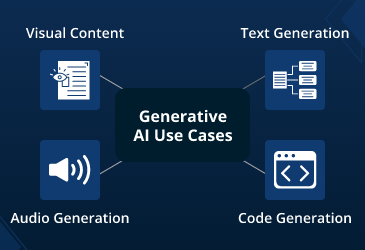
In recent years, the world of artificial intelligence has witnessed remarkable advancements, and one of the most promising breakthroughs is in the field of Generative AI. This technology has opened new doors for businesses and educational institutions alike, revolutionizing various sectors with its unprecedented capabilities. In this blog, we will delve into some of the best use cases of Generative AI across industries, focusing on its potential in education, enterprise, and manufacturing sectors.
Generative AI Use Cases in Education
Personalized Learning: Generative AI can create personalized learning experiences by analyzing students’ abilities, interests, and learning patterns. Through adaptive learning platforms, AI-generated content can tailor educational material to meet the specific needs of each student, enabling a more effective and engaging learning process.
Content Generation: Educators can leverage Generative AI to automate content creation, such as writing essays, generating test questions, and crafting lesson plans. This not only saves time for teachers but also ensures a consistent and high-quality learning experience for students.
Virtual Tutors and Learning Assistants: Generative AI-powered virtual tutors and learning assistants can provide real-time feedback, answer students’ queries, and support them throughout their learning journey. These intelligent virtual companions can make learning more interactive and accessible, fostering better educational outcomes.
Enterprise Use Cases for Generative AI
Natural Language Generation (NLG): Generative AI can produce human-like text, enabling businesses to automate report writing, data summarization, and customer support. NLG can significantly enhance communication efficiency and enable organizations to handle large amounts of data more effectively.
Creative Content Generation: Marketing departments can leverage Generative AI to create compelling ad copies, social media posts, and product descriptions. The technology’s ability to mimic human creativity allows businesses to maintain a consistent brand voice while producing diverse and engaging content.
Fraud Detection and Prevention: In the finance industry, Generative AI can help detect fraudulent activities by analyzing transaction patterns and identifying anomalies. This technology can save businesses from significant financial losses and protect customers from potential security breaches.
Best Generative AI Use Cases
Art and Design: Generative AI has made a significant impact on the art world, with algorithms creating unique paintings, sculptures, and digital artwork. This fusion of technology and creativity has given rise to a new genre of art, pushing the boundaries of imagination and human-machine collaboration.
Music Composition: Generative AI can compose music by analyzing existing pieces and creating original compositions. Musicians and composers can use these AI-generated melodies as inspiration or incorporate them into their work, leading to novel and captivating musical creations.
Generative AI Manufacturing Use Cases
Product Design: In manufacturing, Generative AI can assist in product design by generating numerous design alternatives based on specific parameters and constraints. This enables engineers to explore a broader range of possibilities and identify optimal designs faster.
Additive Manufacturing: Generative AI plays a pivotal role in additive manufacturing, also known as 3D printing. The technology can optimize designs for 3D printing, reducing material wastage and ensuring the production of lighter, stronger, and more efficient parts.
Use Case of Generative AI
Image Synthesis and Editing: Generative AI can synthesize high-quality images from textual descriptions, allowing artists and designers to bring their concepts to life without the need for manual drawing. Moreover, the technology enables seamless image editing, enabling easy manipulation of visual content for various applications.
Conclusion
The potential of Generative AI is vast and continues to expand across various industries. From personalized learning in education to streamlined content generation in enterprises, and from revolutionizing manufacturing processes to unleashing creativity in art, Generative AI is transforming the way we live and work. As this technology advances further, it holds the promise of driving innovation, efficiency, and sustainability across multiple domains, shaping a brighter and more intelligent future.
Rust is a programming language that has been gaining popularity among developers in recent years. Rust development services have become more in demand due to the language’s unique features, which include memory safety, speed, and concurrency. This article will explore why Rust development is becoming more popular and the benefits of hiring a Rust development company.
What is Rust Development?
Rust is a systems programming language that was developed by Mozilla. It is designed to be fast, efficient, and safe. Rust’s syntax is similar to that of C++, but it has additional features that make it easier to use and safer. Rust is often used for developing systems software, such as operating systems, device drivers, and web browsers.
Why Rust Development Is Becoming More Popular?
There are several reasons why Rust development is becoming more popular among developers. One of the primary reasons is its memory safety features. Rust’s ownership and borrowing system prevent common programming errors, such as null pointer dereferences and use-after-free errors. This makes Rust code more reliable and less susceptible to security vulnerabilities.
Another reason for Rust’s growing popularity is its performance. Rust’s zero-cost abstractions allow developers to write code that runs as fast as C or C++. Rust’s concurrency model also makes it easier to write code that takes advantage of multiple cores and threads.
Rust’s popularity has also been driven by its growing ecosystem of libraries and tools. Rust’s package manager, Cargo, makes it easy to manage dependencies and share code with other developers. Rust has a large and growing collection of libraries for common tasks, such as web development, networking, and cryptography.
Benefits of Hiring a Rust Development Company
If you are looking to develop software using Rust, hiring a Rust development company can offer several benefits. Rust development companies have experience developing software using Rust and can provide expertise and guidance throughout the development process.
Hiring a Rust development company can also save time and resources. Rust development companies have a team of developers who can work together to develop your software more quickly and efficiently. This can help you get your software to market faster and with fewer bugs.
Rust development companies can also help you develop software that is more reliable and secure. Rust’s memory safety features can help prevent common programming errors and security vulnerabilities. Rust development companies can also provide code reviews and security audits to ensure that your software is secure.
Conclusion
Rust development is becoming more popular among developers due to its unique features, such as memory safety, speed, and concurrency. Hiring a Rust development company can offer several benefits, including expertise, efficiency, and security. If you are looking to develop software using Rust, consider hiring a Rust development company to help you get the most out of this powerful programming language.











 Development Services