Smart Contract Development Services

In the world of blockchain technology, smart contracts are rapidly gaining popularity as a secure and automated way to facilitate transactions. A smart contract is a self-executing digital contract that is coded to automatically execute the terms of the agreement between two parties when specific conditions are met. Smart contracts are transparent, tamper-proof, and efficient, making them a revolutionary solution for various industries. Smart contract development https://www.leewayhertz.com/smart-contracts-development-company/companies specialize in creating, testing, and deploying these digital contracts for clients. Let’s take a closer look at smart contract development companies and the services they offer.

What is a Smart Contract Development Company?

A smart contract development company is a team of blockchain developers and experts who specialize in building smart contracts for businesses and organizations. They have a deep understanding of blockchain technology, cryptography, and programming languages like Solidity, which is the language used to code smart contracts on the Ethereum blockchain. Smart contract development companies work with clients to design and develop customized smart contracts that are secure, efficient, and cost-effective.

Smart Contract Development Services

Smart contract development companies offer a range of services to help businesses and organizations implement smart contracts into their operations. Here are some of the most common smart contract development services:

  1. Smart Contract Design: Smart contract development companies work with clients to design smart contracts that meet their specific needs. This involves analyzing the business requirements, identifying the conditions that trigger the execution of the contract, and defining the terms and conditions of the agreement.
  2. Smart Contract Development: Once the design is complete, the development team begins coding the smart contract using Solidity or other programming languages. They follow best practices for coding smart contracts, including security audits and testing.
  3. Smart Contract Testing: Testing is an essential step in smart contract development. Smart contract development companies use various testing tools and techniques to ensure the smart contract is free of bugs, vulnerabilities, and other issues.
  4. Smart Contract Deployment: Once the smart contract is tested and ready, the development team deploys it onto the blockchain network. They also provide ongoing support and maintenance services to ensure the smart contract continues to function correctly.

Benefits of Working with a Smart Contract Development Company

Here are some of the benefits of working with a smart contract development company:

  1. Expertise: Smart contract development companies have the technical expertise and experience to design, develop, and deploy smart contracts. They have a deep understanding of blockchain technology and can help clients navigate the complex world of smart contracts.
  2. Customization: Smart contract development companies work with clients to design smart contracts that meet their specific needs. This ensures that the smart contract is tailored to the business requirements and provides the desired outcomes.
  3. Security: Smart contract development companies follow best practices for smart contract development, including security audits and testing. This ensures that the smart contract is secure and free from vulnerabilities that could be exploited by hackers.
  4. Efficiency: Smart contracts automate the execution of transactions, reducing the need for intermediaries and streamlining the process. This can save time and money for businesses and organizations.

Conclusion

Smart contract development companies are revolutionizing the way transactions are done. They offer a range of services to help businesses and organizations implement smart contracts into their operations, including smart contract design, development, testing, and deployment. Working with a smart contract development company provides businesses and organizations with the technical expertise, customization, security, and efficiency they need to succeed in the world of blockchain technology. If you’re interested in implementing smart contracts into your operations, consider working with a smart contract development company to get started.
Custom Application Development

In today’s fast-paced and constantly evolving business world, technology plays a crucial role in driving growth and innovation. As such, businesses are constantly seeking new and innovative ways to leverage technology to enhance their operations, improve efficiency, and boost profitability. One such way is through custom software development.

What is Custom Software Development?

Custom software development refers to the process of designing, creating, and deploying software applications that are specifically tailored to meet the unique needs and requirements of a particular business or organization. Unlike off-the-shelf software solutions that are designed to be used by a wide range of businesses, custom software development creates solutions that are unique to each business and are designed to meet their specific needs.

Benefits of Custom Software Development

Custom software development offers numerous benefits to businesses of all sizes and industries. Some of these benefits include:

  1. Tailored Solutions – Custom software development provides tailored solutions that are designed specifically to meet the unique needs of a business. This ensures that businesses have the exact functionality they need to operate efficiently and effectively.
  2. Increased Efficiency – Custom software applications are designed with the specific needs of a business in mind, which means they are optimized for maximum efficiency. This can result in significant time and cost savings for businesses.
  3. Competitive Advantage – Custom software solutions provide businesses with a competitive advantage by offering unique functionality and features that are not available with off-the-shelf solutions.
  4. Scalability – Custom software applications are designed to be scalable, which means they can grow and evolve alongside a business. This ensures that businesses can continue to meet their changing needs over time.

Custom Application Development

Custom application development is a subset of custom software development that focuses specifically on the creation of applications that are designed to meet the unique needs of a particular business. Custom applications can be created for a variety of purposes, including:

  1. Business Process Automation – Custom applications can be created to automate repetitive and time-consuming business processes, such as data entry or inventory management.
  2. Customer Relationship Management – Custom applications can be created to manage customer interactions and provide personalized experiences that drive customer loyalty and retention.
  3. Data Analytics – Custom applications can be created to analyze and visualize data, providing businesses with valuable insights that can inform strategic decision-making.

Custom Software Application Development

Custom software application development is the process of creating software applications that are specifically tailored to meet the unique needs of a particular business. This includes the design, development, and deployment of software applications that are optimized for the specific needs of a business. Custom software application development can be used for a wide range of purposes, including:

  1. Enterprise Resource Planning – Custom software applications can be created to manage a wide range of business operations, including finance, HR, and supply chain management.
  2. E-Commerce – Custom software applications can be created to power e-commerce websites, providing businesses with the functionality they need to sell products and services online.
  3. Mobile Applications – Custom software applications can be created for mobile devices, providing businesses with the ability to reach customers and employees on the go.

Conclusion

In today’s fast-paced and constantly evolving business world, custom software development provides businesses with a powerful tool for driving growth and innovation. By creating tailor-made software solutions that are specifically designed to meet the unique needs of a particular business, businesses can increase efficiency, drive competitiveness, and achieve their strategic objectives. Whether it’s custom application development or custom software application development, businesses of all sizes and industries can benefit from the advantages that custom software development has to offer.

Software Development Consulting Services

As technology continues to evolve at a rapid pace, businesses need to keep up with the latest advancements to stay competitive in their respective industries. However, not all businesses have the expertise or resources to develop and implement their own software solutions. This is where software consulting services come in. In this article, we will explore how a software consulting company can help your business succeed in today’s digital landscape.

What is Software Consulting?

Software consulting is a specialized service that helps businesses evaluate their software needs and develop customized solutions to meet those needs. A software consulting

company typically offers a range of services, including software development, project management, quality assurance testing, and technical support.

The primary goal of software consulting is to help businesses identify and implement the most effective software solutions to improve their operations, increase efficiency, and reduce costs. A software consulting company works closely with its clients to understand their specific business needs and develop software solutions that meet those needs.

Software Consulting Services

A software consulting company offers a variety of services to help businesses develop and implement software solutions. Some of the most common software consulting services include:

  1. Software Development: A software consulting company can develop custom software solutions that are tailored to a business’s unique needs. The company’s team of developers works closely with the client to understand their requirements and develop software that meets those requirements.
  2. Project Management: A software consulting company can also provide project management services to help businesses effectively plan, execute, and monitor software development projects. The company’s project managers work closely with the client to ensure that projects are completed on time and within budget.
  3. Quality Assurance Testing: A software consulting company can also perform quality assurance testing to ensure that software solutions are bug-free and function as intended. The company’s team of testers performs a variety of tests to identify and fix any issues before the software is deployed.
  4. Technical Support: A software consulting company can also provide technical support to ensure that software solutions are working properly and to address any issues that arise. The company’s support team is available to assist clients with any technical issues or questions they may have.

How Can Software Consulting Help Your Business?

Now that we have a better understanding of what software consulting is and the services offered by a software consulting company, let’s explore how software consulting can help your business succeed.

  1. Customized Solutions: A software consulting company can develop customized software solutions that are tailored to your business’s specific needs. This means that you get a software solution that is designed to meet your unique requirements, rather than a one-size-fits-all solution.
  2. Cost Savings: By working with a software consulting company, you can save money on software development costs. This is because the company has the expertise and resources to develop software solutions quickly and efficiently, which can reduce development costs and time-to-market.
  3. Increased Efficiency: Custom software solutions can help businesses increase efficiency by automating manual processes and streamlining workflows. This can lead to faster turnaround times, improved accuracy, and reduced errors.
  4. Competitive Advantage: By implementing custom software solutions, businesses can gain a competitive advantage over their competitors. Custom software solutions can help businesses differentiate themselves by offering unique features and functionality that their competitors do not have.

Conclusion

In today’s digital landscape, businesses need to stay ahead of the curve to remain competitive. Software consulting services can help businesses develop and implement custom software solutions that meet their unique needs. By working with a software consulting company, businesses can save money on development costs, increase efficiency, and gain a competitive advantage over their competitors. If you’re looking to take your business to the next level, consider working with a software consulting company to develop customized software solutions that meet your specific needs.

Metaverse Development

The concept of a Metaverse has been around for several years now. It is a virtual world where users can interact with each other and the environment in a 3D space. The idea of a Metaverse has become increasingly popular in recent years, and companies are starting to take notice. In this article, we will explore the importance of a Metaverse development company and how they can help businesses develop their Metaverse presence.

A Metaverse development company is a team of experts who specialize in creating Metaverse experiences for businesses. These companies provide Metaverse development services that include design, development, and deployment of Metaverse applications. The goal of a Metaverse development company is to help businesses create immersive experiences for their customers.

One of the main benefits of working with a Metaverse development company is that they can help businesses create a Metaverse presence that aligns with their brand. The Metaverse is a new and unique space, and it can be challenging to create an experience that accurately represents a business. A Metaverse development company has the expertise to create a customized experience that aligns with a business’s brand identity.

Another benefit of working with a Metaverse development company is that they can provide Metaverse consulting services. Metaverse consulting is the process of helping businesses understand the Metaverse landscape and how they can use it to their advantage. A Metaverse consulting company can help businesses identify opportunities in the Metaverse and create a strategy that aligns with their business goals.

A Metaverse development company can also help businesses with Metaverse marketing. Metaverse marketing is the process of promoting a business’s Metaverse presence to potential customers. A Metaverse development company can create marketing campaigns that target users in the Metaverse and drive traffic to a business’s Metaverse experience.

In addition to these services, a Metaverse development company can also provide technical support. The Metaverse is a complex space, and businesses may encounter technical issues when developing their Metaverse presence. A Metaverse development company can provide technical support to ensure that a business’s Metaverse experience runs smoothly.

Overall, working with a Metaverse development company is essential for businesses that want to create a Metaverse presence. These companies provide a range of services that can help businesses develop their Metaverse experience, including design, development, deployment, consulting, marketing, and technical support.

If you are looking for a Metaverse development company, LeewayHertz is an excellent choice. LeewayHertz is a leading Metaverse development company that provides a range of Metaverse development services. They have a team of experts who specialize in creating immersive Metaverse experiences for businesses. LeewayHertz also provides Metaverse consulting services, which can help businesses identify opportunities in the Metaverse and create a strategy that aligns with their business goals.

In conclusion, the Metaverse is a new and exciting space that businesses should not ignore. A Metaverse development company can help businesses create a Metaverse presence that aligns with their brand, provides consulting services, marketing campaigns, technical support, and more. If you want to take advantage of the opportunities that the Metaverse presents, it is essential to work with a Metaverse development company like LeewayHertz.

Software Development Company

In today’s fast-paced world, software development has become a crucial aspect of any business. Whether you are a small business or a large corporation, you need reliable software solutions to stay competitive in the market. This is where software development companies come into play. A software development company can provide you with a range of software development services to help you achieve your business goals.

What is a Software Development Company?

A software development company is a specialized firm that provides software development services to businesses. These services include software consulting, software development, testing, deployment, and maintenance. The goal of a software development company is to provide custom software solutions that meet the specific needs of a business.

Software Development Services

Software development services are a broad range of activities that are carried out by a software development company. These services are designed to help businesses achieve their goals through software solutions. Some of the most common software development services include:

  1. Custom Software Development: This is the process of designing and developing software that is tailored to the specific needs of a business.
  2. Mobile App Development: This involves the creation of mobile applications that run on Android and iOS devices.
  3. Web Application Development: This is the process of developing software applications that are accessed through web browsers.
  4. Cloud Development: This involves the creation of software solutions that are hosted on cloud platforms like AWS, Azure, and Google Cloud.
  5. IoT Development: This involves the creation of software solutions for the Internet of Things (IoT) devices.

Why You Need a Software Development Company?

There are many reasons why businesses need software development companies. Some of these reasons include:

  1. Custom Solutions: A software development company can provide custom software solutions that meet the specific needs of a business.
  2. Expertise: Software development companies have a team of experts who are trained and experienced in software development.
  3. Cost Savings: By outsourcing software development to a software development company, businesses can save money on hiring and training employees.
  4. Time Savings: By outsourcing software development, businesses can save time on the development process.

Conclusion

Software development is an important aspect of any business. Whether you need custom software solutions or software consulting services, a software development company can help you achieve your business goals. With a team of experts who are trained and experienced in software development.

AIoT: Integration of AI with IoT

What is AIoT and why is it necessary?

AIoT is the process of integrating AI technology into various IoT components. In essence, the integration of AI and IoT is among the most important factors to speed up technological advancement and improve services within the digital domain. The goal of AI is to improve the efficiency of operations, increase interactions between humans and machines, and improve the management of data and analytics.

Here’s a quick overview of the functions performed by both technologies, and how they establish a synergistic relationship with one another.

  • Internet of Things (IoT)

It’s a concept which extends internet to diverse sensors, objects as well as devices (things) to gather and share information from their surroundings using other devices or software. IoT seeks to link devices and objects.

  • Artificial Intelligence (AI)

Artificial Intelligence thrives on data. It’s all about education and automation through a variety of computational and statistical techniques. It refers to a machine capable of making sense of data or performing tasks that are typically connected with intelligence comparable to human. AI technology includes the machine-learning (ML) and natural processing of language (NLP) as well as facial recognition and voice. To put it simply, AI brings intelligence to objects and machines.

In combination, AI and IoT technologies make smart, interconnected systems which is where AI acts as a brain to the IoT’s body. The IoT devices gather and transmit information from different sources to aid in the learning process that’s involved in AI to perform automation.

AI provides machine-learning and decision-making capability for IoT systems, improving the management of data and analyzing with enormous productivity improvements.

When paired together with AI, IoT devices get additional capabilities such as learning from user interaction as well as service providers and other devices that are part of the network. They can adapt to the new inputs and changes in the environment , and can perform the tasks without involvement from humans.

How does Artificial Intelligence (AI) of devices that are connected to the Internet of Things work?

Since IoT networks are expanding quickly across all industries there is a large amount of unstructured data from machines also is available. The growing quantity of machine-generated and human-oriented data leads to the necessity of AI support for handling the unstructured information analytics. Data generated by IoT-connected systems is vital to meet corporate requirements and address the problems of functional managing the lifecycle of products.

AI and IoT have similar interconnected components. When these two technologies work together, they are mutually beneficial and contribute value to one another. AI can add value to IoT through the machine learning process and decision-making, while IoT can benefit AI because of signals, data exchange and connectivity.

AIoT illustrates the necessity for interoperability between devices (chipsets) as well as platforms, software (programs and operating system) and platform. Similar to the past, AI implementations were monolithic with vertically-designed solutions, they require APIs in order to make devices, platforms and software extremely interoperable.

What are the advantages of AIoT?

  • Boosting Operational Efficiency

AIoT deployment aids in streamlining business operations by providing accurate predictions and increased efficiency. Machine learning algorithms paired with AI forecast the operating conditions and identify the parameters that require adjustments to achieve better results. Apart from providing continuous streams of data as well as identifying patterns that aren’t deceiving on basic measurements, AIoT also delivers meaningful insight to reduce redundancy in processes and over-consuming time. For instance, Google leverages the power of AIoT in order to cut down on the cooling costs.

  • Advanced Risk Management

A combination of AI and IoT helps in predicting potential risks and automating the response. It helps to manage security concerns, financial losses as well as cyber dangers. For instance, Fujitsu helps ensure the security of employees through analyses of the data source using AI and wearables that are connected.

  • Elimination of expensive unplanned downtime

Different organizations such as the gas and oil industries generally suffer from unexpected breakdowns. Equipment breakdowns cause an extended period of downtime which results in massive expenses. The AI-enabled IoT platform and devices allows you to monitor machines in a consistent manner and recognize patterns that can predict the failure of machines in advance. The ability to anticipate equipment failure helps plan regular maintenance tasks. AIoT devices help in predicting breakdowns and malfunctions in machinery through data analytics and avoiding adverse effects from downtime.

  • Improved Products and Services

Natural Language Processing aims to enhance communication via gestures, speech or text between devices and humans. AIoT can be used to create new products as well as improve existing services’ speedy process of data to help businesses. AIoT-powered devices such as drones and robots provide full experience of monitoring and inspection to make intelligent, human-like choices and then take appropriate actions. Commercial vehicles also benefit from AIoT. It aids in managing fleets by analyzing every piece of information that is measurable. Rolls Royce is a great example of incorporating AI to assist with IoT-enabled aircraft engine maintenance to detect patterns in perception and to explore operational information.

  • Scalability to the highest degree

IoT devices vary from high-end computer systems to microsensors and chipsets. A typical IoT system is comprised of batteries-powered sensors to manage the massive amount of data. AI is a key element in the identification, analysis and review of the huge amount of data flowing stored in cloud storage. When the amount of data is managed and manageable, it improves the capacity of the whole IoT ecosystem.

Importance of Web3 Game development companies

The proliferation of modern technology like blockchain in the gaming industry is dramatically encouraging a paradigm shift. For gamers, digital games came as a surprise. Now more advancements in these digital games really are impressive and call out everyone to join this new bandwagon. Here we will talk in particular about the implementation of web3 in games. Modern games based on web3 are in the talk because of their decentralized nature, monetization opportunities, and the level of privacy and transparency they offer. 

Eventually, web3 games are becoming significant for the gaming industry. So do the need to have web3 game development companies. There will be an excessive demand for companies offering web3 game development solutions in the future. Thus, here’s an article explaining what web3 gaming is and why web3 game development companies have a promising future. 

What is web3 gaming? 

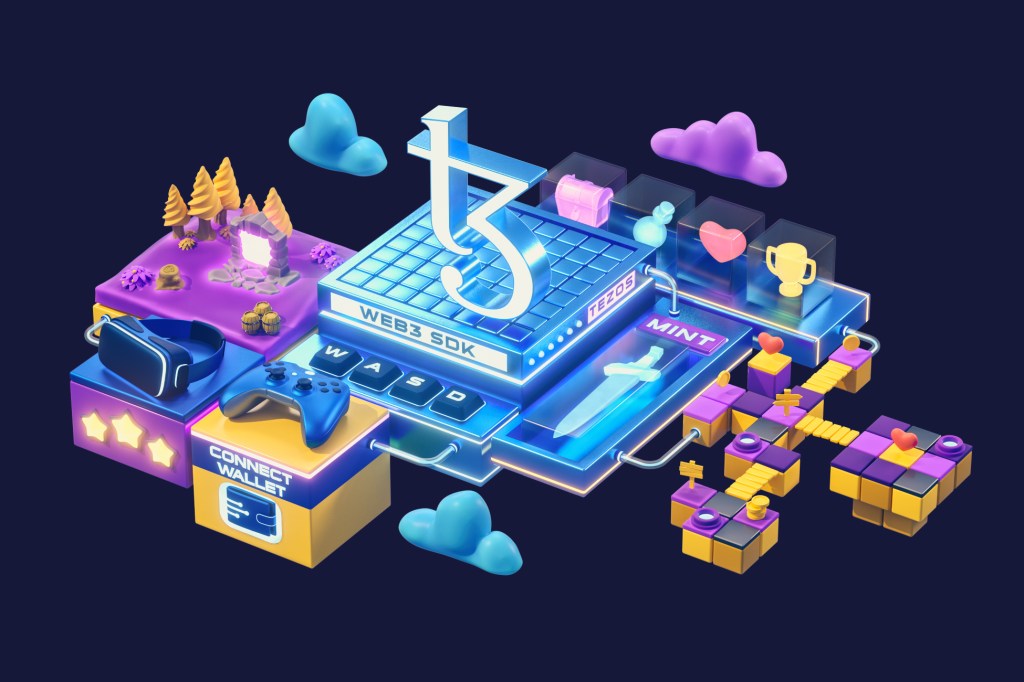
Web3 in gaming promises a highly immersive and interactive gaming experience. Technically, web3 games are blockchain-based, and the ecosystem offers tangibly owned assets and a liquid market to make trading and selling of those assets possible. Such games have resulted in the mass adoption of concepts like play-to-earn and NFTs. 

Nowadays, almost all gaming architecture utilizes the NFT model to represent their in-game assets. This provides them a long-term value. At the same time, play-to-earn is bringing new monetization opportunities. Players can play, relax and earn by performing certain activities in the ecosystem. 

Why are web3 game development companies important? 

Web3 game development company specializes in designing, developing, and launching games that use blockchain technology. They help create web3 games that are decentralized and incur concepts like play-to-earn and in-game NFT assets.Web3 game development companies cater to all the needs of the development process. 

Deploying a web3-based game is simple but involves many complexities, such as intricate technology stack, smart contract deployment, and more that would be difficult for many to understand. Such companies have the expertise to make the integration of web3 games easier and more effective. They are the building blocks and contribute to the overall growth of web3 game development. 

Further, web3 game developers are helping businesses to scale by designing games that prioritize player experience and make games more interesting, social, personalized, and interactive. Using web3, the developers design highly scalable games with interoperability as a fundamental concept.

Solutions offered by the web3 game development companies 

Web3 game development companies are making a splash in the industry by offering innovative solutions that help build highly advanced web3 games different from traditional ones. 

The wide range of services these companies provide includes: 

Smart contract development: They help create highly adaptable smart contracts for web3 games to automate the trading of in-game assets. The development company expertizes in all major smart contracts programming languages and tech stacks. 

NFT marketplace development: As NFT-based in-game assets hold a strong position in the web3 gaming structure, integrating an NFT marketplace is crucial. Web3 game development companies here offer solutions to build a feature-packed marketplace for users to buy, sell and trade in-game assets. 

Custom game development:  The development company helps deploy customized web3 games. After having a core idea of the project, they strategize the web3 game development process tailored to your project requirements and market trends. 

Token development: The new web3 gaming model needs to support either a governance token or a regular crypto token to maintain liquidity inside the gaming ecosystem. Web3 game developers help design customized tokens on top of the blockchain for desired features and functionalities. 

Conclusion 

The web3 gaming industry is the fastest-growing sector with all the potential to revolutionize the gaming industry. Web3 games are considered to be the future as no centralized servers, or any form of authority is involved. In making these decentralized games a huge success, the role of web3 game developers and web3 game development companies is subsequently significant. They help add more functionalities to the gaming ecosystem and create in-game assets represented in the form of NFTs. This means that players also have an opportunity to trade in-game NFT assets outside of the game. Thus, web3 game development encourages a more player-driven experience with improved gameplay, attracting new players. 

Synthetic assets and their significance in DeFi

DeFi, or decentralized finance, is a financial system that relies on peer-to-peer networking and self-executing smart contracts to eliminate the need for third-party intermediaries. One of the emerging assets within this new financial paradigm is synthetic assets.

As DeFi grows, synthetic assets are expected to appeal to a wider group of users and open up new investment opportunities. In this article, we will explore the concept of synthetic assets and their significance in the DeFi ecosystem.

What are synthetic assets?

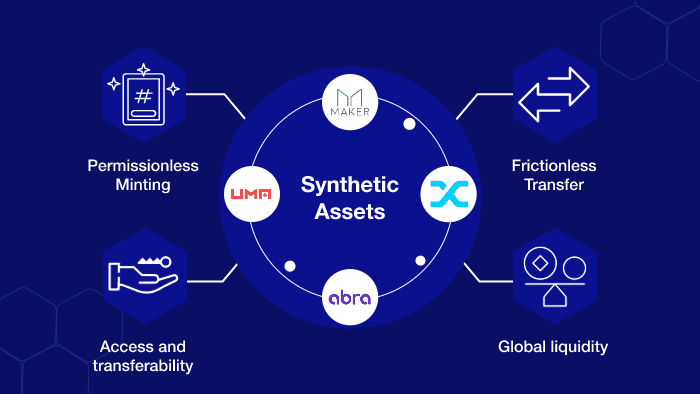
Synthetic assets, also known as crypto synths or tokenized derivatives, are digital assets created by linking a derivative’s value to a contract. They operate similarly to traditional financial derivatives, which are based on underlying assets such as stocks or bonds but are recorded on the blockchain and represented by a cryptocurrency token. Crypto synths are gaining popularity because they allow investors to speculate on the price movements of various tokens without actually owning them and offer increased security and traceability through their recording on a distributed ledger.

How do synthetic work? 

To create a synthetic asset, a smart contract is written that specifies the terms of the asset, including the underlying asset it is based on, the amount of the asset that is being created, and any conditions that must be met for the asset to be activated. The smart contract is then deployed on a blockchain, where it can be accessed and managed by authorized parties.

Once a synthetic asset has been created, it can be bought and sold on a variety of platforms. The price of a synthetic asset is determined by the underlying asset it is based on, as well as supply and demand in the market.

Benefits of synthetic assets in DeFi 

There are several advantages to using synthetic assets in DeFi (decentralized finance). One reason traders may prefer synthetic assets is for speculation, as they offer more liquidity and lower underlying costs than traditional asset exchanges. Additionally, synthetic assets do not require a counterparty for trades, as they can be burned and replaced with an equal value of a different synthetic asset, eliminating the need for order books. Synthetic assets are also decentralized, with few fees and no brokers or KYC systems, making them a cost-effective and decentralized option for trading.

Conclusion 

As the market value of synthetic assets continues to grow, these assets are likely to become increasingly popular among investors seeking to diversify their portfolios and deploy a wide range of investment strategies on a diverse set of assets. This trend is expected to drive increased volume in crypto trading and attract traditional investors to the world of decentralized finance.

Blockchain Software Development Company

We create and build customized blockchain solutions with Hyperledger, EVM, Solidity, Cosmos or Substrate. In addition to creating business logic for running the blockchain, our experts are aware of how to build an NFT-based decentralized platform bridges, bridges and DEX tokens, metaverses, and DApps.

Blockchain Development Services

Blockchain Technology Consulting

Our method of blockchain consulting starts with the question of the reasons, the how as well as how the blockchain could help your business solution and provide transparency and trust in the entire system.

dApps Development

From design to planning and design, our blockchain experts develop enterprise-grade applications for decentralized blockchain to aid clients to speed up time until market, and maximize their ROI.

NFT marketplace development

We assist businesses in creating their protocol-specific, decentralized NFT marketplaces that manage NFT trading, bidding, and the sale of digital assets. To address interoperability issues we create cross-chain marketplaces that allow the creation of compatible multichain NFTs.

Metaverse development

With extensive experience in Blockchain, NFTs, and Crypto development tools, we provide Metaverse Development services for projects that cover NFT markets, social media, and 3D gaming.

Blockchain Supply Chain Development

We create, deploy, and manage blockchain-based solution for supply chains that give total transparency throughout the course of the supply chain’s path and assist in removing the complexities of communication and errors in data transfer.

Custom Blockchain App Development

With extensive experience in different blockchain-based platforms such as Tezos, Hyperledger, Polkadot, Tron, Stellar, and EOS We build strong and scalable custom blockchain software solutions to companies and startups.

Smart Contracts Development

Smart contract development at our company includes the creation and deployment of self-executing contracts that can be used on private and public blockchain networks. We are experts in the creation of intelligent contracts to support crowdfunding Blockchain solution for supply chains, NFT projects, and numerous applications.

Decentralized Exchange

Our team of blockchain developers creates secure and reliable exchange platforms that are decentralized on Android and iOS to allow instant transfer of digital currencies efficiently and securely.

Blockchain Wallet Development

Our blockchain developers create robust and feature-rich websites and mobile wallets that allow for the exchange of a variety of digital currencies and assets. They also integrate with features for cross-chain exchange of tokens.

Tokenization

Our team of blockchain developers will help you tokenize any asset you’d like that will ensure trust, transparency and effectiveness. Tokenization helps reduce volatility and bring more liquidity to a broad variety of assets.

Read More: https://www.leewayhertz.com/blockchain-development-company/

Migrate a Web2 Application to Web3

 It has been nearly three decades since the introduction of web. It all started with static text, images and then moved to web3. Web2 was the next step, which led to the modern internet. Now we are at the start of web3, which allows data to be seamlessly transferred across a distributed platform where ownership is distributed and control is distributed. It utilizes a technology stack that is based upon decentralized blockchains. Blockchains and tokens are the engine of the web’s economies and business models.

Web3 will become the marketplace of choice for businesses across all industries and is expected to be a major player by 2022. It’s built around edge computing, blockchain and cryptocurrencies as well as NFTs and virtual reality. Web3 development is gaining popularity as more companies try to integrate their products in this new space. Recent Google search trends indicate that web3 interest has increased by 33% in the past few months. This suggests that more businesses are interested in moving from web2 space to web3. Web2 to web3 migration represents a shift from an application-centric design to a user centric ethos of centralization.

What is web2?

Web2 is the second generation Web. Also known as the “read/write” web, it is also the second generation of World Wide Web. It allows for interactive functionality and compatibility by using the following features:

  • Content created by users
  • Transparency in data integrations
  • The web is not a network, but a platform
  • Software as a Service (SaaS), via API implementation technology

What is web3?

Web3 is the “read/write-own” mode on the internet. It uses blockchains, NFTs, and cryptocurrencies to empower users in the form ownership.

Web3 Features

Web3 is decentralized – This is in contrast to web2, which has internet controlled and owned by central entities. Instead, web3 allows ownership of the internet to be shared among its users and builders.

Permissionless – Everyone has equal access and no one is excluded from web3.

Native payments – Web3 uses cryptocurrency to send and receive money online, instead of relying on the legacy infrastructure of banks or payment processors.

Trustless – It relies on trusted third parties to perform its functions, but uses economic and incentive mechanisms.

Read More : https://www.leewayhertz.com/how-to-migrate-a-web2-application-to-web3/