In the rapidly evolving landscape of content creation, Artificial Intelligence (AI) has emerged as a game-changer, revolutionizing the way we generate, optimize, and distribute content. In this blog post, we’ll delve into the transformative impact of AI on content creation, exploring its benefits, applications, and the future it holds.
Understanding AI-Powered Content Creation
In recent years, AI has become an integral part of content creation strategies. Brands and businesses are leveraging AI to streamline the process, enhance creativity, and produce engaging content that resonates with their target audience. From automated writing tools to advanced content optimization algorithms, AI is reshaping the content creation landscape.
Unleashing Creativity with AI
AI-powered tools are not just automating mundane tasks; they are also fostering creativity. Natural Language Processing (NLP) algorithms enable machines to understand human language nuances, resulting in content that feels authentic and resonates with readers. Creativity is no longer confined to human minds alone; AI is contributing to a new era of innovative content creation.
Enhancing Readability through AI Algorithms
Readability is a crucial factor in content creation. AI algorithms analyze user behavior and preferences to optimize content structure, ensuring that it is easy to read and comprehend. By incorporating these algorithms, content creators can enhance the overall user experience, leading to increased engagement and retention.
Relevance in Content: The Role of AI
One of the significant challenges in content creation is ensuring relevance. AI-driven content creation tools analyze vast amounts of data to understand trends, user preferences, and industry dynamics. This insight enables content creators to produce timely and relevant content that aligns with current market demands.
Keyword Optimization without Compromising Quality
Effective keyword usage remains a cornerstone of SEO. AI helps strike the right balance between incorporating relevant keywords and maintaining content quality. By analyzing search patterns and user intent, AI ensures that keywords are seamlessly integrated, enhancing the discoverability of the content without sacrificing its natural flow.
The Future Landscape: AI and Content Creation
As we look ahead, the synergy between AI and content creation is set to deepen. Predictive analytics, machine learning, and evolving algorithms will continue to shape the future of content. Content creators who embrace these advancements will stay at the forefront of the industry, delivering compelling and impactful content to their audience.
Conclusion
AI’s integration into content creation processes marks a paradigm shift, unlocking new possibilities and efficiencies. By harnessing the power of AI, content creators can not only streamline their workflows but also elevate the quality, relevance, and readability of their content. As we celebrate the one-year anniversary of this technological evolution, it’s clear that the journey has just begun, and the future holds exciting prospects for the intersection of AI and content creation.
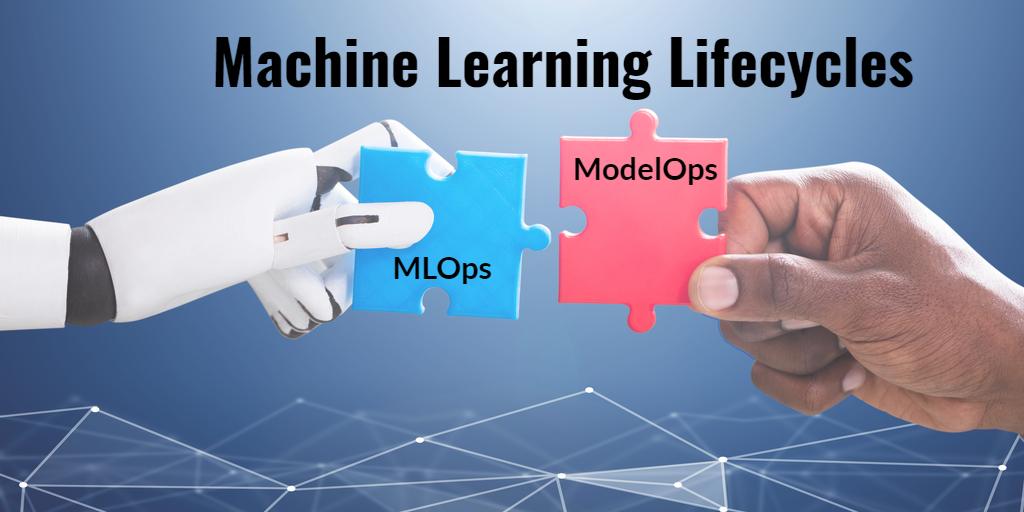
In the fast-evolving landscape of artificial intelligence and machine learning, the term “ModelOps” has emerged as a critical component in the process of deploying and managing machine learning models effectively. ModelOps, short for Model Operations, represents a set of practices and technologies that aim to streamline the end-to-end lifecycle of machine learning models. In this article, we will delve into the essence of ModelOps, exploring what it entails and why it has become indispensable in the realm of data-driven decision-making.
Understanding ModelOps
ModelOps is the bridge between data science and IT operations. It encompasses the practices and tools required to manage the entire model lifecycle, from development and training to deployment and monitoring. The primary goal of ModelOps is to ensure that machine learning models are seamlessly integrated into business operations, delivering value in a reliable and scalable manner.
At its core, ModelOps involves collaboration among cross-functional teams, including data scientists, data engineers, IT operations, and business stakeholders. By aligning these diverse teams, organizations can overcome the challenges associated with deploying and maintaining machine learning models in real-world scenarios.
The ModelOps Lifecycle
1. Development and Training:
The ModelOps journey begins with the development and training of machine learning models. Data scientists work on creating models that meet the business objectives, leveraging diverse datasets and advanced algorithms.
2. Validation and Testing:
Rigorous testing and validation follow the development phase. ModelOps emphasizes the importance of robust testing to ensure the model’s accuracy, reliability, and adherence to predefined performance metrics.
3. Deployment:
Once a model passes validation, it moves into the deployment phase. ModelOps facilitates the seamless integration of models into production environments, making it easier to deploy updates and new models without disrupting operations.
4. Monitoring and Management:
Continuous monitoring is a critical aspect of ModelOps. It involves tracking the performance of deployed models in real-time, identifying anomalies, and triggering alerts when necessary. ModelOps ensures that models remain effective and relevant as data patterns evolve.
5. Scalability and Efficiency:
ModelOps emphasizes scalability and efficiency, allowing organizations to deploy models across diverse platforms and environments. This scalability ensures that machine learning models can handle increased workloads and adapt to changing business requirements.
6. Feedback Loop:
A crucial component of ModelOps is the establishment of a feedback loop. This loop connects model performance metrics with the initial development phase, enabling data scientists to refine and improve models based on real-world insights.
Why ModelOps Matters
1. Faster Time-to-Value:
ModelOps accelerates the time-to-value for machine learning models. By streamlining the deployment process, organizations can quickly translate data science innovations into actionable insights, gaining a competitive edge in dynamic markets.
2. Reduced Operational Risks:
Effective monitoring and management provided by ModelOps reduce operational risks associated with deploying and maintaining machine learning models. This ensures that models operate reliably in production environments, minimizing the potential for costly errors.
3. Enhanced Collaboration:
ModelOps promotes collaboration among different teams involved in the machine learning lifecycle. This cross-functional collaboration leads to a better understanding of business requirements and ensures that models align with organizational goals.
4. Adaptability to Change:
In a rapidly evolving business landscape, adaptability is key. ModelOps enables organizations to adapt to changing data patterns, evolving business priorities, and emerging technologies by providing a framework for seamless model updates and enhancements.
5. Resource Optimization:
ModelOps helps optimize resources by automating repetitive tasks, allowing data scientists to focus on innovation rather than manual operational processes. This resource optimization leads to increased efficiency and cost savings.
Implementing ModelOps in Your Organization
To embrace the power of ModelOps, organizations must invest in the right technologies and foster a culture of collaboration and continuous improvement. Automation tools, model monitoring platforms, and collaboration frameworks are essential components of a successful ModelOps strategy.
Training and upskilling teams in ModelOps practices also play a pivotal role. This ensures that all stakeholders, from data scientists to IT operations, have the necessary skills to effectively contribute to the deployment and management of machine learning models.
Conclusion
ModelOps represents a paradigm shift in the way organizations approach the deployment and management of machine learning models. By integrating data science with IT operations and emphasizing collaboration, ModelOps streamlines the entire model lifecycle, enabling organizations to harness the full potential of their machine learning initiatives. As businesses continue to rely on data-driven insights, adopting ModelOps is not just a choice; it’s a strategic imperative for staying competitive in the era of artificial intelligence.
In the dynamic landscape of technology, Conversational AI has emerged as a transformative force, reshaping the way we interact with machines and services. This paradigm shift from traditional user interfaces to more natural and human-like conversations has paved the way for a new era in human-computer interaction. In this article, we delve into the evolution of Conversational AI, exploring its origins, advancements, and the profound impact it has on various industries.
Origins of Conversational AI
Conversational AI finds its roots in the pursuit of creating more intuitive and user-friendly interfaces. Early attempts at natural language processing (NLP) date back to the 1950s, but it wasn’t until the last decade that significant strides were made. The advent of powerful machine learning algorithms and the availability of vast datasets enabled the development of sophisticated language models, laying the foundation for Conversational AI.
The Rise of Virtual Assistants
The widespread adoption of virtual assistants marked a significant milestone in the journey of Conversational AI. Platforms like Apple’s Siri, Amazon’s Alexa, and Google Assistant brought the concept of talking to machines into the mainstream. These virtual assistants leveraged voice recognition and natural language understanding to interpret user queries and provide relevant information or perform tasks. The convenience of voice-based interactions sparked increased interest in Conversational AI across industries.
Natural Language Processing Breakthroughs
One of the key enablers of Conversational AI’s evolution has been the breakthroughs in Natural Language Processing. The ability of machines to understand and generate human-like language has seen remarkable progress, thanks to models like OpenAI’s GPT-3. These models, trained on vast amounts of diverse data, can comprehend context, sentiment, and even generate coherent and contextually relevant responses. This capability has elevated the quality of interactions, making Conversational AI more context-aware and user-friendly.
Industry Applications
Conversational AI is no longer confined to personal assistants on smartphones. Its applications have expanded across various industries, driving efficiency and enhancing user experiences. In customer service, chatbots powered by Conversational AI handle routine queries, providing instant responses and freeing up human agents for more complex tasks. In healthcare, virtual assistants assist with appointment scheduling, medication reminders, and even offer basic health advice. The financial sector utilizes Conversational AI for tasks such as account inquiries and transaction processing.
Personalization and User Engagement
One of the strengths of Conversational AI lies in its ability to personalize interactions. By analyzing user preferences and behaviors, these systems can tailor responses and recommendations, creating a more engaging and user-centric experience. Businesses leverage this personalization to strengthen customer relationships, anticipate needs, and ultimately drive customer satisfaction.
Challenges and Ethical Considerations
Despite its rapid advancement, Conversational AI faces challenges and ethical considerations. Issues such as bias in language models, privacy concerns, and the potential for misuse raise important questions about the responsible development and deployment of these technologies. Striking a balance between innovation and ethical considerations is crucial to ensure that Conversational AI benefits society at large.
Future Outlook
As Conversational AI continues to evolve, the future holds exciting possibilities. The integration of multimodal capabilities, combining text and voice with visual elements, promises more immersive and natural interactions. Enhanced language models and improved understanding of user intent will contribute to even more sophisticated Conversational AI applications. The intersection of AI with emerging technologies like augmented reality (AR) and virtual reality (VR) opens up new avenues for immersive and contextually rich conversational experiences.
Conclusion
Conversational AI has come a long way from its early beginnings, transforming the way we interact with technology. From virtual assistants to personalized customer experiences, its applications are diverse and impactful. As technology continues to advance, so does the potential for Conversational AI to redefine human-computer interactions. However, it is crucial to navigate the ethical considerations and challenges to ensure that this evolution is not only innovative but also responsible. The journey of Conversational AI is ongoing, and its destination promises a future where intelligent, human-like interactions are seamlessly woven into our daily lives.
In today’s fast-paced digital landscape, the demand for intelligent and engaging conversational AI is at an all-time high. ChatGPT, developed by OpenAI, has emerged as a game-changer in the field of natural language processing and chatbot technology. As organizations seek to harness the power of ChatGPT to improve customer interactions, streamline operations, and deliver personalized user experiences, the role of ChatGPT developers becomes increasingly vital. In this article, we’ll delve into the world of ChatGPT developers, explore the services they offer, and examine the pivotal role they play in the development of cutting-edge chatbot applications.
The Rise of ChatGPT Developers
ChatGPT, powered by state-of-the-art deep learning techniques, has brought forth a revolution in the world of conversational AI. Developers who specialize in ChatGPT are at the forefront of this technological breakthrough. These ChatGPT developers possess the knowledge, skills, and expertise required to design, develop, and deploy advanced chatbot applications that can understand and respond to human language with remarkable precision.
As the demand for ChatGPT-based solutions grows, ChatGPT developers are emerging as key players in the AI industry. They work diligently to create innovative and efficient applications that cater to diverse industries, from customer support and healthcare to e-commerce and more. To meet this demand, specialized ChatGPT development companies have sprung up, offering a wide range of services tailored to the unique needs of businesses.
The Role of ChatGPT Development Companies
ChatGPT development companies are the driving force behind the proliferation of ChatGPT-based applications. These companies are equipped with skilled developers who are well-versed in the nuances of ChatGPT and its integration into various business use cases. Their services are designed to empower organizations to harness the full potential of ChatGPT in their operations.
ChatGPT Development Services
Custom Chatbot Development: ChatGPT developers offer custom chatbot development services, tailoring chatbots to specific business needs. Whether it’s a customer service chatbot, an e-commerce virtual assistant, or an internal communication tool, they create chatbots that enhance user experiences and drive operational efficiency.
Natural Language Understanding: ChatGPT developers have a deep understanding of natural language processing, allowing them to design chatbots that can interpret and respond to user queries with human-like comprehension. This skill is invaluable for creating chatbots that can engage users effectively.
Integration and Deployment: ChatGPT development companies handle the entire development lifecycle, including integration with existing systems and deployment across various platforms. This ensures a seamless user experience and a quick return on investment.
Continuous Improvement: ChatGPT developers understand that AI-powered chatbots need to evolve. They implement continuous improvement processes, including training the chatbot with new data to enhance its capabilities and accuracy.
ChatGPT Developers in Action
Let’s explore some real-world applications of ChatGPT development services:
Enhanced Customer Support: Many businesses have implemented ChatGPT-powered chatbots to handle routine customer support inquiries. These chatbots provide instant responses, freeing up human agents to focus on more complex customer issues. They can also handle multiple queries simultaneously, improving customer service efficiency.
Personalized Shopping Assistants: E-commerce companies use ChatGPT developers to create personalized shopping assistants. These chatbots analyze user preferences, past purchases, and browsing history to recommend products, answer questions, and guide users through the shopping process.
Healthcare Virtual Assistants: In the healthcare industry, ChatGPT-based virtual assistants are being used to provide information about medical conditions, offer medication reminders, and even assist in scheduling appointments. These virtual assistants are designed to ensure patient engagement and support healthcare providers.
Content Generation: ChatGPT developers have pioneered the creation of AI-powered content generation tools. These tools can generate blog posts, product descriptions, and other written content, saving businesses time and resources in content creation.
The Advantages of Choosing ChatGPT Developers
Engaging ChatGPT developers and development companies offers numerous benefits to businesses looking to integrate ChatGPT into their operations:
Expertise: ChatGPT developers have in-depth knowledge and expertise in natural language processing and chatbot development, ensuring the successful creation of effective conversational AI solutions.
Customization: They can tailor chatbots to meet the specific requirements and branding of a business, providing a unique and personalized user experience.
Efficiency: ChatGPT developers can streamline processes and enhance customer support, leading to cost savings and improved operational efficiency.
Scalability: ChatGPT-based solutions can easily scale to meet the evolving needs of a business, ensuring adaptability in a dynamic market.
Data Security: Reputable ChatGPT development companies prioritize data security and compliance, safeguarding sensitive information and maintaining customer trust.
Challenges and Future Developments
While ChatGPT has made significant advancements, it’s not without its challenges. Developers continuously work to address issues such as bias in AI models and ensuring that chatbots provide accurate and reliable information. The industry is also looking to improve multilingual capabilities and expand the scope of ChatGPT applications to more domains.
The future of ChatGPT development holds exciting prospects. As the technology matures, we can expect even more versatile and intelligent chatbots that can handle a broader range of tasks, interact with users in a more human-like manner, and contribute to improved decision-making processes for businesses.
Conclusion
In the world of conversational AI, ChatGPT has emerged as a groundbreaking technology, and ChatGPT developers are at the forefront of harnessing its potential. These developers and the companies that support them play a pivotal role in creating intelligent chatbot applications that enhance user experiences, improve operational efficiency, and drive innovation across various industries.
As the demand for ChatGPT-based solutions continues to grow, it is clear that ChatGPT developers will continue to push the boundaries of what is possible in conversational AI. With their expertise and dedication, they are not only shaping the present but also paving the way for a future where ChatGPT applications will be an integral part of our daily lives. If your business is looking to embrace the future of conversational AI, partnering with ChatGPT developers and development companies is a wise choice.
Artificial Intelligence (AI) is no longer just a concept from science fiction; it has become an integral part of our daily lives. From virtual personal assistants like Siri and Alexa to recommendation systems on streaming platforms, AI is all around us. Its impact is also deeply felt in industries ranging from healthcare to finance, transforming the way we work and live. If you’re new to the world of AI development, this guide is your first step in demystifying the complex realm of artificial intelligence.
Understanding AI Development
At its core, AI development is the process of creating systems and algorithms that can perform tasks that typically require human intelligence. These tasks include recognizing patterns, making decisions, solving problems, and even understanding and generating natural language.
To understand AI development better, let’s consider some real-world examples:
Image Recognition: AI can be trained to recognize objects, faces, and even emotions in images. This technology powers facial recognition systems at airports and helps social media platforms tag your friends in photos.
Natural Language Processing (NLP): AI can understand and generate human language. It’s what makes chatbots understand your queries and generates responses that sound like they were written by a human.
Recommendation Systems: Platforms like Netflix and Amazon use AI algorithms to recommend movies and products based on your previous choices. They learn your preferences over time and improve their recommendations.
Autonomous Vehicles: Self-driving cars rely heavily on AI to navigate and make real-time decisions on the road.
Medical Diagnosis: AI can assist doctors in diagnosing diseases by analyzing medical images and patient data, often with remarkable accuracy.
AI Consulting
Many businesses recognize the potential of AI but lack the in-house expertise to implement it effectively. This is where AI consulting services come into play. AI consultants are experts in the field who can help businesses develop and deploy AI solutions tailored to their specific needs. They provide valuable insights, strategy, and hands-on assistance throughout the AI development process.
Why AI Development Matters
AI development matters for several reasons:
Efficiency: AI can automate repetitive tasks, allowing humans to focus on more creative and complex work. This increases productivity and efficiency.
Accuracy: AI can perform tasks with remarkable accuracy, often surpassing human capabilities. In medical diagnostics, for example, AI can analyze thousands of medical images quickly and with a high degree of precision.
Personalization: AI can personalize user experiences, making recommendations and providing content tailored to individual preferences. This enhances customer satisfaction and engagement.
Scalability: AI systems can handle massive amounts of data and can scale to meet growing demands. This is crucial in industries like e-commerce and finance.
Innovation: AI fuels innovation by enabling the development of new products and services. It’s at the forefront of technological advancements.
Getting Started with AI Development
Now that you understand what AI development is and why it matters, let’s explore how you can get started if you’re a beginner.
1. Learn the Basics
Start by building a strong foundation in AI concepts and terminology. There are numerous online courses and tutorials available, such as those on platforms like Coursera, edX, and Udacity. Familiarize yourself with key terms like machine learning, neural networks, and deep learning.
2. Choose a Programming Language
Python is the most popular programming language for AI development. It has a rich ecosystem of libraries and frameworks, including TensorFlow, PyTorch, and scikit-learn, which are essential tools for AI developers. Learn Python and become comfortable with its syntax.
3. Explore Machine Learning
Machine learning is a subset of AI that focuses on training algorithms to learn patterns from data. Start by learning about supervised learning, unsupervised learning, and reinforcement learning. Understand the types of problems each can solve.
4. Hands-On Projects
Theory is important, but practical experience is crucial. Work on small AI projects to apply what you’ve learned. Start with basic tasks like image classification or text generation and gradually move to more complex projects.
5. Join AI Communities
Join AI forums, online communities, and social media groups. Engaging with others in the field can help you stay updated on the latest trends and technologies. It’s also a great way to seek help when you encounter challenges in your projects.
6. Consider Online Courses and Certifications
Consider enrolling in structured AI courses or earning certifications. These can provide a formal recognition of your skills and knowledge, which can be valuable when pursuing AI development as a career.
7. Experiment with AI Libraries
Experiment with popular AI libraries like TensorFlow and PyTorch. These libraries provide pre-built tools and resources for developing AI models, making it easier for beginners to get started.
Data Collection and Preprocessing for AI: Building the Foundation
Artificial Intelligence (AI) has revolutionized industries and technologies, from healthcare to finance, by making sense of vast amounts of data and automating complex tasks. However, AI is only as good as the data it’s trained on. To unlock the full potential of AI, one must understand the crucial steps of data collection and preprocessing. In this comprehensive guide, we’ll delve into the world of data, explore the intricacies of collecting and cleaning data, and highlight the significance of data quality in AI development.
Before diving into the intricacies of data collection and preprocessing, it’s essential to grasp the fundamental role data plays in AI development. Data serves as the raw material from which AI models learn and make predictions. The quality of this data profoundly impacts the performance, accuracy, and reliability of AI systems.
The Significance of Data Quality
Data quality encompasses several key aspects:
Accuracy: Data should be free from errors, inconsistencies, and inaccuracies. Inaccurate data can lead to incorrect AI predictions and unreliable results.
Completeness: Data should be complete, with all required fields filled. Missing data can hinder model training and lead to biased results.
Consistency: Data should be consistent across different sources and time periods. Inconsistent data can introduce noise and confusion into AI models.
Relevance: Data should be relevant to the AI task at hand. Irrelevant or redundant data can increase computational overhead and make model training less efficient.
Timeliness: For certain applications, such as fraud detection or stock market analysis, timely data is crucial. Delayed data can result in missed opportunities or incorrect predictions.
Data Collection Strategies
Effective data collection is the first step in preparing data for AI development. Depending on your project’s goals and requirements, you may need to employ various data collection strategies:
1. Web Scraping
Web scraping involves extracting data from websites and online sources. It’s commonly used for tasks like gathering product information, monitoring social media trends, or collecting news articles.
2. Sensor Data
In fields like IoT (Internet of Things), sensor data from devices like temperature sensors, cameras, and GPS units can provide valuable input for AI systems.
3. Surveys and Questionnaires
For tasks requiring human input or feedback, surveys and questionnaires are effective data collection methods. They are often used in social sciences and market research.
4. Public Datasets
Numerous public datasets are available for AI developers, covering a wide range of topics from healthcare to natural language processing. These datasets can be valuable resources for research and development.
5. Data Partnerships
Collaborating with organizations that possess the data you need can be an effective way to access high-quality data. This is common in industries like finance, where data is often proprietary.
Data Privacy and Ethics
When collecting data, it’s crucial to consider data privacy and ethical concerns. Ensure that you have the necessary permissions to collect and use the data, especially if it involves personal or sensitive information. Adhere to ethical guidelines and legal regulations governing data collection and use, such as GDPR in Europe or HIPAA in healthcare.
Data Preprocessing: Cleaning and Transformation
Once data is collected, it rarely comes in a pristine, ready-to-use form. Data preprocessing is the process of cleaning, transforming, and structuring data to make it suitable for AI model training. This step is often just as critical as data collection itself.
Data Cleaning
Data cleaning involves:
Handling missing data by imputing or removing incomplete records.
Detecting and correcting errors and outliers that can skew AI models.
Ensuring consistency in data format and units.
Feature Engineering
Feature engineering is the process of selecting, creating, or transforming features (variables) in the data to improve the model’s performance. It involves:
Selecting relevant features that contribute to the AI task.
Creating new features through mathematical transformations or aggregations.
Encoding categorical variables into numerical format for model compatibility.
Data Normalization and Scaling
Data normalization ensures that data values fall within a similar range, preventing certain features from dominating others during model training. Common techniques include Min-Max scaling and Z-score normalization.
Dealing with Imbalanced Data
In some cases, data may be imbalanced, meaning one class of data significantly outweighs the others. This can lead to biased model predictions. Techniques like oversampling, undersampling, or the use of specialized algorithms can address this issue.
Data Splitting
Before training an AI model, it’s crucial to split the data into training, validation, and test sets. This helps assess the model’s performance and prevents overfitting (when the model performs well on the training data but poorly on new, unseen data).
The Role of AI Consulting in Data Preprocessing
AI consulting services play a vital role in guiding businesses through the complexities of data collection and preprocessing. Here’s how AI consultants contribute:
Data Strategy: AI consultants help businesses define a clear data strategy, identifying the data sources and types required for their AI projects.
Data Quality Assessment: Consultants assess the quality of existing data sources, recommending improvements and data cleaning strategies.
Data Governance: AI consultants establish data governance frameworks, ensuring that data is collected, stored, and processed in compliance with regulations.
Feature Engineering: Consultants assist in feature selection and engineering, optimizing the data for AI model training.
Model Selection: Consultants guide businesses in selecting the appropriate AI models based on their data and objectives.
Performance Evaluation: Consultants evaluate model performance and provide insights into improving AI system accuracy and efficiency.
Machine Learning Algorithms and Model Building: A Comprehensive Guide
Machine learning, a subset of artificial intelligence, has witnessed unprecedented growth in recent years, transforming industries and revolutionizing the way we solve complex problems. At the heart of machine learning lies the diverse landscape of algorithms that enable computers to learn from data and make predictions. In this comprehensive guide, we’ll delve into the world of machine learning algorithms, exploring their types, applications, and the process of model building.
Understanding Machine Learning Algorithms
Machine learning algorithms are at the core of every machine learning application. These algorithms enable computers to recognize patterns, make predictions, and learn from data. The choice of algorithm depends on the nature of the problem you’re trying to solve, the type of data you have, and the desired outcome.
Machine learning algorithms can be broadly categorized into three main types:
Supervised Learning: In supervised learning, algorithms are trained on labeled data, where the input data is paired with the correct output or target variable. The algorithm learns to map input data to the correct output, making it suitable for tasks like classification and regression.
Unsupervised Learning: Unsupervised learning algorithms work with unlabeled data, where the algorithm must discover patterns, clusters, or structure within the data. This type of learning is used in tasks like clustering, dimensionality reduction, and anomaly detection.
Reinforcement Learning: Reinforcement learning is focused on training agents to make decisions in an environment to maximize a reward signal. It’s commonly used in applications like game playing, robotics, and autonomous systems.
Popular Machine Learning Algorithms
Within these categories, numerous machine learning algorithms exist, each with its unique strengths and weaknesses. Some of the most popular algorithms include:
Linear Regression: Used for regression tasks where the goal is to predict a continuous numeric value.
Logistic Regression: Used for binary classification tasks, such as spam detection or disease diagnosis.
Decision Trees: Used for both classification and regression tasks, decision trees provide a structured way to make decisions based on input features.
Random Forest: An ensemble algorithm that combines multiple decision trees for improved accuracy and robustness.
Support Vector Machines (SVM): Used for classification tasks, SVMs aim to find the hyperplane that best separates data into different classes.
K-Nearest Neighbors (K-NN): A simple classification algorithm that assigns a data point to the class most common among its k-nearest neighbors.
K-Means Clustering: A popular unsupervised learning algorithm used for clustering data into groups.
Neural Networks: Complex models inspired by the human brain, neural networks are at the forefront of deep learning and are used in a wide range of tasks, from image recognition to natural language processing.
Machine Learning in Practice: Model Building
Now that we’ve gained an understanding of machine learning algorithms, let’s explore the practical aspects of model building. Building a machine learning model involves several key steps:
1. Data Preparation
Before you can build a machine learning model, you need to prepare your data. This includes:
Data Cleaning: Handling missing values, dealing with outliers, and ensuring data quality.
Feature Engineering: Selecting relevant features and transforming them to improve model performance.
Data Splitting: Dividing your data into training, validation, and test sets to assess and evaluate your model.
2. Model Selection
Choosing the right machine learning algorithm for your problem is crucial. Consider factors such as the type of task (classification, regression, or clustering), the volume of data, and the nature of the data (structured or unstructured).
3. Model Training
Model training involves using the training data to teach the algorithm to make predictions or classify data accurately. During training, the algorithm learns the patterns and relationships in the data.
4. Hyperparameter Tuning
Most machine learning algorithms have hyperparameters that control the learning process. Tuning these hyperparameters is essential to optimize the model’s performance. Techniques like grid search or random search can be used for hyperparameter tuning.
5. Model Evaluation
Once the model is trained, it’s essential to evaluate its performance using the validation set. Common evaluation metrics include accuracy, precision, recall, F1-score, and mean squared error, among others.
6. Model Testing and Deployment
After satisfactory performance on the validation set, it’s time to test the model on the test set to ensure it generalizes well to new, unseen data. Once you’re confident in the model’s performance, you can deploy it in real-world applications.
Machine Learning Algorithms in Action
Machine learning algorithms find applications in a wide range of domains. Here are some real-world examples:
1. Healthcare
Machine learning algorithms are used for disease prediction, medical image analysis, drug discovery, and personalized treatment recommendations.
2. Finance
In finance, algorithms are employed for fraud detection, credit scoring, algorithmic trading, and risk assessment.
3. Natural Language Processing (NLP)
NLP algorithms power chatbots, language translation, sentiment analysis, and text summarization.
4. Autonomous Vehicles
Self-driving cars rely on machine learning algorithms to navigate, make real-time decisions, and avoid obstacles.
5. E-commerce
Recommendation systems use machine learning to suggest products, personalize content, and improve user experience.
The Role of AI Consulting in Model Building
AI consulting services play a pivotal role in guiding organizations through the complex process of model building. AI consultants offer expertise in:
Problem Definition: Defining clear objectives and selecting the right machine learning algorithms for the task at hand.
Data Strategy: Developing data collection and preprocessing strategies to ensure the availability of high-quality data.
Model Selection: Recommending the most suitable machine learning algorithms based on data and business goals.
Hyperparameter Tuning: Optimizing model performance through hyperparameter tuning and experimentation.
Model Evaluation: Conducting rigorous model evaluation and testing to ensure reliability and robustness.
Deployment: Assisting in deploying machine learning models in real-world applications.
Conclusion
Machine learning algorithms and model building represent the heart of artificial intelligence and its real-world applications. As the field of AI continues to evolve, understanding the principles of different machine learning algorithms and the process of model building is essential for both beginners and experienced practitioners. With the right knowledge and techniques, you can harness the power of machine learning to solve complex problems, make data-driven decisions, and drive innovation in a wide range of industries. Whether you’re predicting customer behavior, diagnosing diseases, or navigating autonomous vehicles, machine learning algorithms are your key to unlocking the potential of AI in the modern world.
In today’s rapidly evolving business landscape, where data reigns supreme, harnessing the transformative power of Artificial Intelligence (AI) is no longer a choice but a necessity. As companies strive to gain a competitive edge, AI Consulting Services have emerged as invaluable allies on this journey toward innovation and efficiency. In this comprehensive article, we will delve into the world of AI Consulting Services, exploring what they entail, why they are essential, and how partnering with an AI Consulting Services Company can propel your organization toward unprecedented success.
The Rise of AI Consulting Services
Artificial Intelligence has evolved from a concept in science fiction to a pervasive force in our daily lives. From virtual personal assistants to advanced recommendation systems, AI has become an integral part of our digital existence. In the corporate world, businesses are increasingly realizing the potential of AI to drive growth, enhance decision-making, and optimize operations.
However, AI is not a one-size-fits-all solution. Implementing AI effectively requires a deep understanding of the technology, industry-specific knowledge, and a tailored approach. This is where AI Consulting Services come into play. These services provide organizations with the expertise and guidance needed to navigate the complex world of AI.
Defining AI Consulting Services
AI Consulting Services encompass a broad spectrum of offerings aimed at helping businesses leverage the power of AI effectively. They are designed to address the unique challenges and opportunities presented by AI in various industries. Whether you are a startup looking to integrate AI into your product or an established enterprise seeking to optimize your operations, AI Consulting Services can be customized to meet your specific needs.
The core components of AI Consulting Services include:
1. Needs Assessment: The journey begins with a comprehensive assessment of your organization’s goals, challenges, and existing data infrastructure. AI consultants work closely with your team to gain a deep understanding of your unique requirements.
2. Solution Design: Based on the assessment, AI Consulting Services Companies design AI solutions that align with your business objectives. These solutions may include custom AI algorithms, data analytics platforms, or AI-driven applications.
3. Implementation: Once the AI solutions are designed, the next step is implementation. This involves putting the proposed AI systems into action within your organization. Consultants ensure that the integration is seamless and that your team is well-equipped to manage and utilize the AI tools effectively.
4. Support and Optimization: AI Consulting Services do not end with implementation. Continuous support is provided to monitor the performance of AI systems, make necessary adjustments, and optimize their functionality. This ongoing partnership ensures that your organization continues to reap the benefits of AI over time.
Why AI Consulting Services Matter
Expertise: AI is a rapidly evolving field with a myriad of technologies and methodologies. It can be overwhelming for businesses to keep up with the latest developments and best practices. AI Consulting Services bring in experts who stay at the forefront of AI trends and can guide your organization toward the most suitable solutions.
Cost-Efficiency: Developing and implementing AI solutions in-house can be resource-intensive and costly. AI Consulting Services offer a cost-effective alternative by leveraging their existing expertise and resources. This allows your organization to access top-notch AI capabilities without the burden of extensive investments.
Tailored Solutions: Every business is unique, and so are its AI needs. AI Consulting Services Companies understand this and provide tailor-made solutions that align with your specific goals and challenges. This ensures that you get the maximum value from your AI investments.
Faster Implementation: With the guidance of AI consultants, your organization can expedite the AI implementation process. This agility is crucial in staying ahead of the competition and capitalizing on emerging opportunities.
Risk Mitigation: AI projects come with their share of risks, including data security, privacy concerns, and regulatory compliance. AI Consulting Services Companies are well-versed in navigating these challenges, ensuring that your AI initiatives remain compliant and secure.
Real-World Impact of AI Consulting Services
To understand the true value of AI Consulting Services, let’s explore some real-world examples of businesses that have harnessed the power of AI to achieve remarkable success:
Case Study 1: E-Commerce Optimization
An e-commerce giant faced a challenge: increasing customer churn and declining sales. They turned to an AI Consulting Services Company for help. Through in-depth data analysis and machine learning algorithms, the consultants identified customer behavior patterns and personalized product recommendations. This led to a significant increase in sales and customer retention, resulting in a substantial ROI.
Case Study 2: Healthcare Revolution
A healthcare provider sought to improve patient care by harnessing AI. AI Consulting Services were employed to develop predictive models that could identify patients at risk of developing chronic diseases. This proactive approach allowed the provider to deliver timely interventions and reduce healthcare costs, ultimately enhancing patient outcomes.
Case Study 3: Supply Chain Optimization
A logistics company faced the challenge of optimizing its vast supply chain operations. AI Consulting Services played a crucial role in developing predictive maintenance models for their fleet, optimizing routes, and minimizing delivery delays. This resulted in substantial cost savings and improved customer satisfaction.
These real-world success stories underscore the transformative potential of AI Consulting Services across diverse industries. They demonstrate how AI can drive revenue growth, improve operational efficiency, and enhance customer experiences when implemented strategically and with expert guidance.
Looking Ahead: The Future of AI Consulting Services
As AI continues to advance, AI Consulting Services are poised to play an even more pivotal role in shaping the future of business. Several trends are likely to define the trajectory of AI Consulting Services in the coming years:
AI in Healthcare: The healthcare industry will increasingly turn to AI to improve patient care, diagnostics, and drug discovery. AI Consulting Services Companies will be at the forefront of developing innovative solutions for healthcare providers and pharmaceutical companies.
AI-Driven Automation: Automation powered by AI will continue to disrupt various industries, from manufacturing to finance. AI Consulting Services will guide organizations in identifying automation opportunities, implementing robotic process automation (RPA), and optimizing automated workflows.
AI Ethics and Responsible AI: As AI becomes more integrated into daily life, ethical considerations become paramount. AI Consulting Services will focus on ensuring responsible AI development, addressing bias in algorithms, and adhering to data privacy regulations.
AI in Edge Computing: Edge computing, combined with AI, will revolutionize real-time decision-making in sectors like autonomous vehicles and IoT. AI Consulting Services will help businesses harness the potential of edge AI for faster and more efficient data processing.
AI for Sustainability: AI can play a vital role in addressing environmental and sustainability challenges. AI Consulting Services will assist organizations in leveraging AI to reduce energy consumption, optimize resource allocation, and minimize environmental impact.
The AI Consulting Process: Your Blueprint for Success
In our previous article, “Unlocking the Power of AI Consulting Services,” we explored the significance of AI Consulting Services and why they are indispensable in today’s fast-paced business landscape. Now, we delve deeper into the heart of AI Consulting Services: the AI consulting process. This comprehensive blueprint serves as a guide for organizations seeking to harness the full potential of Artificial Intelligence (AI) through strategic partnerships with AI Consulting Services Companies.
Demystifying the AI Consulting Process
The journey toward AI-driven success begins with a well-structured AI Consulting Process. This process forms the backbone of AI Consulting Services, ensuring that organizations receive tailored solutions that align with their unique needs, objectives, and challenges. Let’s break down the key phases of this process:
1. Needs Assessment: Understanding Your Organization’s Goals and Challenges
The first step in the AI consulting process is the comprehensive needs assessment. This phase is about gaining a deep understanding of your organization’s goals, challenges, and existing data infrastructure. It’s a critical foundation upon which the entire AI strategy will be built.
Why is Needs Assessment Important?
Tailored Solutions: By understanding your organization’s specific needs, AI consultants can design solutions that are perfectly aligned with your objectives.
Resource Optimization: Needs assessment helps identify existing resources and infrastructure that can be leveraged for AI implementation, reducing unnecessary costs.
Risk Mitigation: It allows consultants to identify potential challenges and risks early in the process, enabling proactive solutions.
During the needs assessment phase, you can expect:
Data Audit: A thorough examination of your data sources, quality, and availability.
Stakeholder Interviews: Conversations with key personnel to understand their pain points and objectives.
Business Analysis: A review of your business processes and operations to identify areas where AI can make the most impact.
2. Solution Design: Crafting Tailor-Made AI Solutions
Once the needs assessment is complete, AI Consulting Services Companies transition to the solution design phase. This is where the blueprint for your AI solutions is crafted. The goal is to develop AI systems that not only address your current challenges but also align with your long-term objectives.
Why is Solution Design Important?
Alignment with Objectives: A well-designed solution ensures that AI initiatives are closely aligned with your organization’s strategic goals.
Efficiency: It minimizes the risk of wasting resources on poorly conceived AI projects that do not deliver value.
Scalability: A thoughtful design considers future scalability and adaptability as your organization evolves.
During the solution design phase, you can expect:
Algorithm Development: Crafting custom algorithms or selecting pre-existing ones that suit your needs.
Technology Stack Selection: Choosing the right technologies and tools to implement the AI solutions.
Prototyping: Creating prototypes and proof-of-concepts to validate the solution’s feasibility.
3. Implementation: Bringing AI Solutions to Life
With the blueprint in place, it’s time to put the proposed AI systems into action. Implementation is where theory meets reality, and AI Consulting Services Companies work diligently to ensure that the integration is seamless.
Why is Implementation Important?
Timely Deployment: Efficient implementation ensures that AI solutions are deployed within expected timelines.
User Training: It includes training your team to work with AI tools effectively, maximizing their utility.
Performance Monitoring: Continuous monitoring during implementation helps identify issues and bottlenecks early.
During the implementation phase, you can expect:
Data Integration: Connecting AI systems to your data sources, ensuring data flows smoothly.
Software Development: Building AI-driven applications, platforms, or tools as per the design.
Testing and Quality Assurance: Rigorous testing to ensure the reliability and functionality of the AI solutions.
User Training: Training your team to use AI tools effectively.
4. Support and Optimization: Continuous Improvement for Maximum Impact
AI Consulting Services do not end with implementation. The support and optimization phase is a crucial part of the process that ensures your organization continues to reap the benefits of AI over time.
Why is Support and Optimization Important?
Performance Improvement: Regular optimization enhances the performance and efficiency of AI systems.
Adaptation: It allows AI solutions to adapt to changing business needs and technological advancements.
Issue Resolution: Quick identification and resolution of any problems that may arise.
During the support and optimization phase, you can expect:
Monitoring and Analysis: Continuous monitoring of AI system performance and data analysis to identify areas for improvement.
Model Tuning: Fine-tuning AI models to improve accuracy and efficiency.
Security and Compliance Updates: Ensuring that AI systems remain secure and compliant with relevant regulations.
Feedback Loop: Collecting feedback from users and stakeholders to make iterative improvements.
Key Principles of Successful AI Consulting
The AI consulting process thrives on certain key principles that underpin its success:
1. Collaboration: Successful AI consulting relies on strong collaboration between the consulting team and the client organization. It’s a partnership built on open communication and shared objectives.
2. Flexibility: The process is flexible to adapt to the unique needs of each organization. There is no one-size-fits-all solution in AI consulting.
3. Data-Centric Approach: Data is at the core of AI. A data-centric approach ensures that AI solutions are built on a solid foundation of high-quality data.
4. Transparency: Transparency in the process, from needs assessment to implementation and beyond, is essential. Clients should have a clear understanding of what to expect at each stage.
5. Ethical Considerations: Ethical considerations, including fairness and privacy, are paramount. AI Consulting Services Companies must uphold the highest ethical standards.
Realizing the Potential: Case Studies in AI Consulting Success
To understand how the AI consulting process translates into real-world success, let’s explore a few case studies:
Case Study 1: Financial Forecasting
A financial institution sought to improve its financial forecasting accuracy. AI Consulting Services were employed to design a predictive analytics model that factored in market conditions, economic indicators, and historical data. The implementation of this AI-driven forecasting system resulted in more accurate predictions, enabling the institution to make better investment decisions and reduce financial risks.
Case Study 2: Customer Personalization
An e-commerce company wanted to enhance its customer experience by offering personalized product recommendations. AI Consulting Services Companies developed a recommendation engine that analyzed user behavior and preferences. This led to a significant increase in sales and customer satisfaction, as customers received tailored product suggestions, resulting in higher conversion rates.
Case Study 3: Supply Chain Optimization
A manufacturing company faced challenges in its supply chain, including inefficiencies in inventory management and logistics. AI Consulting Services were engaged to optimize the supply chain. Through predictive analytics and route optimization algorithms, the company achieved cost savings and streamlined its operations, ensuring timely delivery to customers.
These case studies highlight how the AI consulting process, from needs assessment to implementation and ongoing optimization, can drive tangible results for organizations across various industries. The key is a systematic approach, a deep understanding of client needs, and a commitment to excellence.
Conclusion: The Path to AI Success
The AI consulting process is not a one-time event; it’s an ongoing journey toward AI-driven success. It encompasses a series of well-defined phases, each crucial in its own right. Through needs assessment, solution design, implementation, and ongoing support and optimization, organizations can harness the full potential of AI to transform their operations, drive innovation.
In today’s rapidly evolving tech landscape, the role of artificial intelligence (AI) is undeniably transformative. At the forefront of this AI revolution stands Generative AI, a cutting-edge technology that has the potential to reshape industries and human experiences. Leveraging Generative AI, innovative companies are pushing the boundaries of what’s possible, and one such trailblazing entity is the Generative AI Development Company.
Unveiling the Power of Generative AI
Generative AI is a subfield of artificial intelligence that focuses on machines’ ability to generate content that is not only meaningful but also creative. This content can include images, texts, music, and more. Unlike traditional AI systems that rely on pre-defined rules and data, generative AI systems are trained to learn and create autonomously. This technology is changing the game across numerous sectors, including healthcare, entertainment, marketing, and beyond.
The Role of a Generative AI Development Company
A Generative AI Development Company is at the forefront of harnessing this revolutionary technology for practical applications. These companies are dedicated to research, development, and implementation of generative AI models to address a wide range of business challenges.
They work on creating custom AI solutions that cater to specific industry needs. Whether it’s developing AI-driven content generators for marketing, AI-powered image recognition for healthcare, or creative applications in design and art, these companies are the architects of tomorrow’s innovations.
Why Choose a Generative AI Development Company?
Cutting-Edge Expertise: Generative AI is an evolving field. Development companies are staffed with experts who are well-versed in the latest advancements, ensuring that your AI solutions are on the cutting edge of technology.
Customization: Generative AI solutions are not one-size-fits-all. A reputable development company will tailor their approach to meet your unique requirements and business goals.
Quality Assurance: Implementing AI solutions is a significant investment. Development companies rigorously test and fine-tune their models to ensure optimal performance.
Efficiency and Innovation: Generative AI can streamline processes, improve efficiency, and enable innovation. A development company can help you explore new avenues for growth and expansion.
Real-World Applications
The applications of Generative AI are diverse and continually expanding. Some prominent examples include:
Content Generation: AI-powered tools for automated content creation, including articles, reports, and social media posts.
Design and Creativity: Generative AI can assist designers in generating novel ideas, producing art, and even designing logos.
Healthcare: In medical imaging, AI can assist in diagnosing diseases and anomalies more accurately and quickly.
Entertainment: AI can generate music, scripts, and even assist in video game development.
Language Processing: Translation services and language generation tools are becoming increasingly sophisticated.
Challenges and Ethical Considerations
While the potential of Generative AI is vast, there are challenges and ethical considerations. These include issues related to bias in data, data privacy, and the potential for misuse. A responsible Generative AI Development Company will address these concerns and ensure their solutions adhere to ethical and legal standards.
Conclusion
The emergence of Generative AI has opened doors to countless possibilities across various industries. The Generative AI Development Company is your partner in unlocking this potential. By harnessing the power of AI, these companies are driving innovation, enhancing efficiency, and reshaping the way we live and work. As we continue to embrace AI’s transformative potential, it is evident that Generative AI development companies are at the forefront of this exciting journey into the future.
In today’s rapidly evolving regulatory landscape, compliance has become an increasingly complex and critical aspect of business operations. Staying compliant with ever-changing rules and regulations is a challenging task, often requiring significant time and resources. This is where Generative AI for compliance comes into play, revolutionizing how businesses manage and adapt to regulatory requirements.
Generative AI for compliance is an innovative technology that leverages artificial intelligence to streamline and enhance the compliance process. In this article, we will explore the applications, benefits, and potential of Generative AI in the realm of regulatory compliance.
Understanding Generative AI for Compliance
Generative AI, a subset of artificial intelligence, focuses on creating data, content, or even solutions autonomously. It operates based on patterns and existing data, enabling it to generate realistic and contextually relevant information. In the context of compliance, Generative AI can be a game-changer.
Applications in Compliance
Automated Documentation: Generating compliance reports, policy documents, and other necessary paperwork can be a time-consuming and error-prone process. Generative AI can automate the creation of these documents, ensuring accuracy and consistency.
Risk Assessment: Generative AI can analyze vast datasets to identify potential compliance risks and provide early warnings. This helps businesses proactively address issues and avoid costly penalties.
Regulatory Updates: Staying up to date with regulatory changes is a constant challenge. Generative AI can monitor and interpret regulatory updates in real-time, ensuring businesses are always compliant with the latest requirements.
Benefits of Generative AI for Compliance
Efficiency: By automating manual tasks such as document generation and data analysis, Generative AI significantly reduces the time and effort required for compliance management.
Accuracy: The technology’s ability to generate accurate and consistent documents and reports minimizes the risk of compliance errors.
Cost Reduction: Automation of compliance-related tasks leads to cost savings by reducing the need for extensive human resources and manual oversight.
Adaptability: Generative AI can adapt to changing regulatory landscapes more quickly than traditional methods, making it a valuable tool for businesses in dynamic industries.
Challenges and Considerations
While Generative AI offers numerous advantages, it’s not without its challenges. Businesses must consider factors such as data privacy, security, and the potential for biased results. Robust data governance and ethical AI practices are crucial to ensure the responsible use of this technology in compliance management.
Assess Needs: Identify the compliance processes that can benefit from automation and AI.
Data Preparation: Ensure your data is well-structured and clean, as Generative AI heavily relies on data quality.
Select the Right Tool: Choose a Generative AI tool or platform that suits your business’s specific compliance needs.
Training and Integration: Train the AI model with your data and integrate it into your compliance workflows.
Continuous Monitoring: Regularly monitor the AI’s performance and update it as needed to maintain accuracy and relevancy.
Conclusion
Generative AI for compliance is a powerful tool that can transform the way businesses manage and adapt to regulatory requirements. By automating tasks, improving accuracy, and enhancing adaptability, it offers significant advantages in the ever-evolving compliance landscape. However, its implementation should be accompanied by robust data governance and ethical considerations to ensure responsible and secure usage.
As technology continues to advance, Generative AI for compliance promises to be a crucial asset for businesses aiming to navigate the complexities of regulatory compliance efficiently and effectively.
In today’s digital age, the prevalence of financial fraud has become a pressing concern for individuals and organizations alike. The ever-evolving landscape of cybercrime requires equally dynamic solutions to combat it effectively. Artificial Intelligence (AI) has emerged as a powerful tool in the fight against fraud, providing innovative ways to detect and prevent deceptive activities. In this article, we’ll explore the role of AI in fraud detection and its transformative impact on security.
Understanding the Scope of the Problem
Financial fraud encompasses a wide range of activities, including credit card fraud, identity theft, money laundering, and more. With the growth of online transactions, these crimes have taken on new dimensions, making traditional detection methods less effective. To address this, AI systems have been developed to bolster security measures and adapt to the changing nature of fraud.
The Power of AI in Fraud Detection
Machine Learning Algorithms: AI relies on machine learning algorithms to analyze vast datasets, quickly identifying patterns and anomalies. These algorithms can process information far faster and more accurately than human analysts, making them a crucial asset in the fight against fraud.
Real-time Monitoring: AI systems continuously monitor transactions, identifying suspicious activities as they happen. This real-time monitoring enables immediate action to be taken, preventing fraud before it escalates.
Behavioral Analysis: AI can create user profiles and analyze behavior over time. This helps in detecting anomalies, such as a sudden change in transaction patterns, which may signal fraudulent activity.
Predictive Analytics: AI can predict potential fraud by assessing risk factors and historical data. This predictive ability allows institutions to take preemptive measures, reducing the likelihood of fraudulent transactions.
Fraud Prevention: AI can automatically flag and block potentially fraudulent transactions, reducing the burden on human analysts. This proactive approach is vital for protecting businesses and consumers.
Challenges and Considerations
While AI in fraud detection is a powerful tool, there are challenges to consider:
Data Privacy: Handling sensitive financial data raises concerns about privacy and security. It’s crucial to ensure robust encryption and compliance with data protection regulations.
False Positives: Overzealous AI systems can sometimes flag legitimate transactions as fraudulent. Striking the right balance is essential to prevent inconveniencing users.
Adaptability: Fraudsters are constantly evolving their tactics. AI systems must be adaptable to stay ahead of emerging threats.
Costs: Implementing AI solutions can be expensive. However, the cost of fraud prevention is often significantly less than the losses incurred through successful fraudulent activities.
Conclusion
AI in fraud detection is a game-changer in the ongoing battle against financial fraud. Its ability to process vast amounts of data in real-time, recognize patterns, and predict potential fraud makes it an invaluable asset for individuals, businesses, and financial institutions. While challenges such as data privacy and false positives must be addressed, the benefits of AI-driven fraud detection are undeniable. As technology continues to advance, we can expect AI to play an increasingly prominent role in securing our financial transactions and personal information.
In the ever-evolving landscape of technology, artificial intelligence has become an indispensable tool for businesses striving to enhance customer service, streamline operations, and drive innovation. Among the myriad AI solutions available, ChatGPT stands out as a versatile and powerful resource, especially when tailored for enterprise use. In this article, we will explore the diverse use cases and innovative solutions that ChatGPT offers to businesses, transforming the way they interact with customers, manage data, and make informed decisions.
The Power of ChatGPT for Enterprise
ChatGPT, powered by OpenAI’s advanced language models, is designed to understand and generate human-like text. This makes it an ideal choice for enterprises looking to automate, enhance, or scale various aspects of their operations. Here’s how it can benefit your business:
1. Customer Support and Engagement
24/7 Availability: ChatGPT can provide instant responses to customer inquiries, ensuring round-the-clock support.
Consistency: Customers receive consistent and accurate information, enhancing their overall experience.
Scalability: Businesses can handle a high volume of customer queries without compromising service quality.
2. Content Generation
Automated Content Creation: ChatGPT can generate blog posts, product descriptions, and marketing materials, saving time and resources.
Multilingual Content: It can create content in multiple languages, expanding your global reach.
Quality Control: AI can assist in proofreading and editing, ensuring high-quality content.
3. Data Analysis and Reporting
Data Extraction: ChatGPT can extract insights from unstructured data, helping businesses make data-driven decisions.
Natural Language Reporting: It can generate reports in a human-readable format, simplifying complex data for non-technical stakeholders.
Trend Analysis: ChatGPT can analyze market trends and customer sentiment from textual data.
4. Training and Onboarding
Onboarding Assistance: ChatGPT can guide new employees through onboarding processes, answering their questions and providing resources.
Training Materials: It can generate training materials and resources for employees, improving their learning experience.
5. Custom Solutions
Tailored Chatbots: Businesses can customize ChatGPT to create intelligent chatbots that align with their brand and specific industry requirements.
Workflow Integration: ChatGPT can be integrated into various enterprise tools and systems for seamless information retrieval and data processing.
Use Cases in Action
Let’s delve into some real-world examples to illustrate how ChatGPT is transforming the enterprise landscape:
1. E-commerce Giants: Leading e-commerce companies are using ChatGPT to enhance customer interactions by providing instant responses to product inquiries and assisting with purchase decisions. They also use AI-generated content to populate product descriptions and personalize user experiences.
2. Financial Institutions: Banks and financial institutions employ ChatGPT to provide account information, financial advice, and answer queries related to banking services. It also plays a crucial role in fraud detection and prevention by analyzing transaction data.
3. Healthcare Providers: Healthcare organizations leverage ChatGPT to offer medical information, appointment scheduling, and even initial symptom assessments. It can assist healthcare professionals in researching treatment options and staying updated on the latest medical breakthroughs.
4. Legal Services: Law firms use ChatGPT for legal research, drafting contracts, and generating legal documents. It ensures accuracy and consistency in legal documentation.
5. Market Research: Companies rely on ChatGPT for analyzing customer feedback, social media discussions, and survey responses to gain insights into consumer behavior and market trends.
Solutions for Ethical and Legal Considerations
As enterprises embrace ChatGPT, it’s essential to address ethical and legal concerns, including data privacy and bias in AI. Organizations need to implement robust data protection measures and regularly audit their AI systems to ensure they adhere to ethical standards and industry regulations.
Conclusion
ChatGPT is a game-changer for enterprises, offering an array of use cases and innovative solutions to boost efficiency, productivity, and customer satisfaction. It’s vital for businesses to harness the full potential of ChatGPT while also maintaining a strong commitment to ethical and legal considerations. As the AI landscape continues to evolve, ChatGPT is poised to become an integral part of the enterprise toolkit, empowering businesses to thrive in the digital age.







 Development Services